


 Book a time
 Get in touch
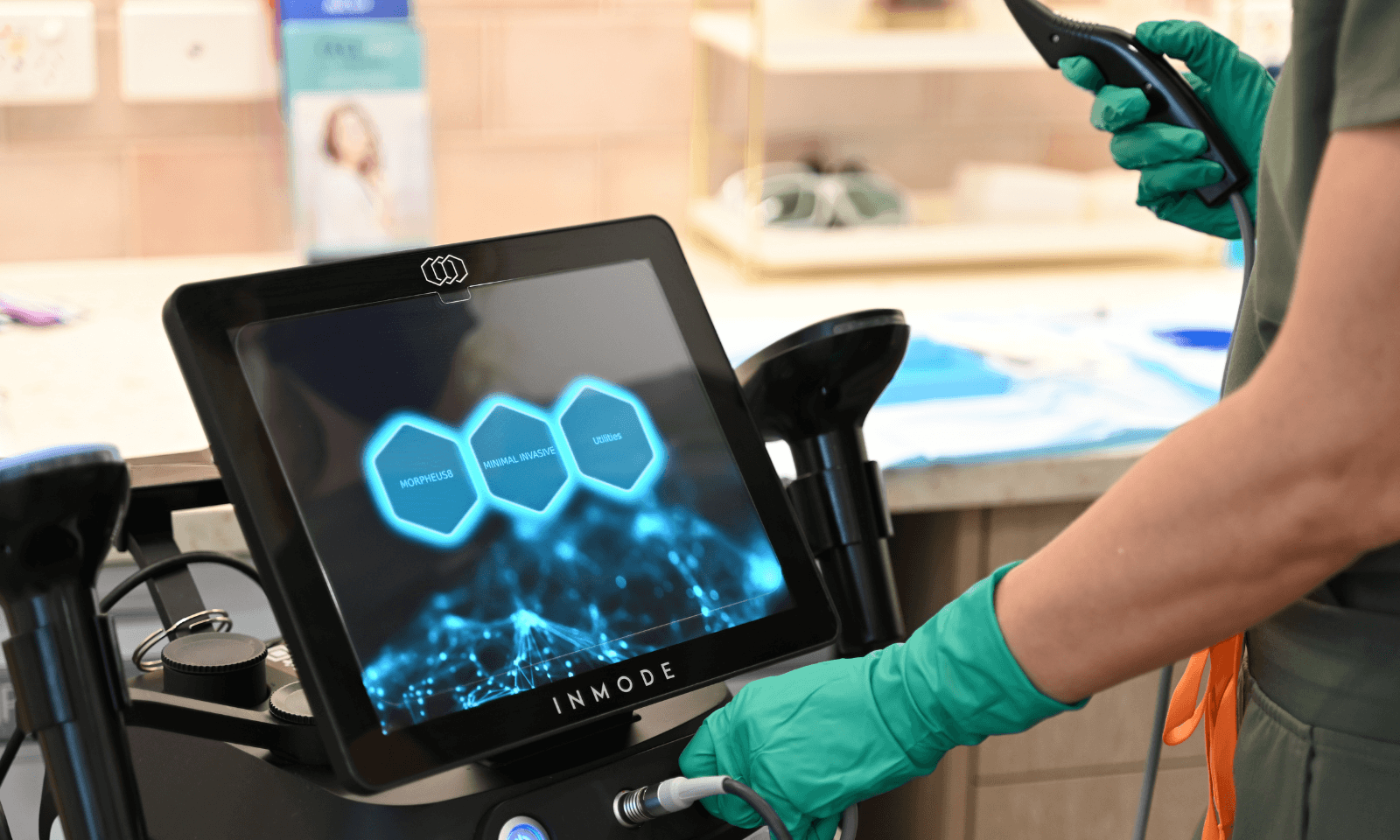
You might first notice it in photos, in profile, or when the jawline looks softer than it used to. For some people, changes in the lower face and neck appear slowly. This can include mild skin laxity, early jowling, or fullness under the chin. These changes are common and may become more visible with time.
This is an option people may come across when looking into lower face and neck treatments. It is usually discussed alongside energy-based treatments and surgical lifting, which sometimes becomes unclear how it is positioned relative to other options.
This guide explains what the FaceTite procedure involves, when it may be considered, what recovery may involve, and why a medical consultation is needed before deciding if it is suitable.

What is FaceTite?
FaceTite is a minimally invasive medical procedure that uses radiofrequency-assisted lipolysis, or RFAL, technology. It is considered for patients with skin laxity and localised fat in the lower face and neck.
During the procedure, controlled radiofrequency energy is delivered beneath the skin and from the surface. This process is intended to affect soft tissue and fat beneath the skin. The way tissue responds can vary between individuals.
These processes occur gradually and can vary between patients. Factors such as skin thickness, age, and healing response can influence how the tissue responds.
The procedure works within the existing tissue and does not involve removal of excess skin. This is one reason why patient selection is considered during clinical assessment. Where there is a larger amount of loose skin, the response can be limited. In those cases, other options may be discussed during consultation.
From a clinical point of view, FaceTite sits between non-invasive treatments and surgical lifting. It is one option discussed during consultation. For more advanced changes, a surgical approach such as a facelift may be considered.
What does FaceTite address?
This treatment is often discussed in relation to changes in the lower face and neck. These can include mild skin laxity, a softer jawline, early jowling, fullness under the chin, or mild skin redundancy in the neck.
These changes can develop for different reasons. Ageing is one factor, though skin quality, facial structure, weight changes, and genetics also play a role. Because of this, the same concern can appear differently from one person to another.
These concerns are reviewed during consultation to understand how they present. The practitioner assesses the pattern and extent of change, then considers which options may be appropriate.
In some cases, more than one concern may be present at the same time. For example, a person may have both skin laxity and fullness under the chin. A consultation helps assess how these factors interact and whether a single approach is appropriate, or if other options should be considered.
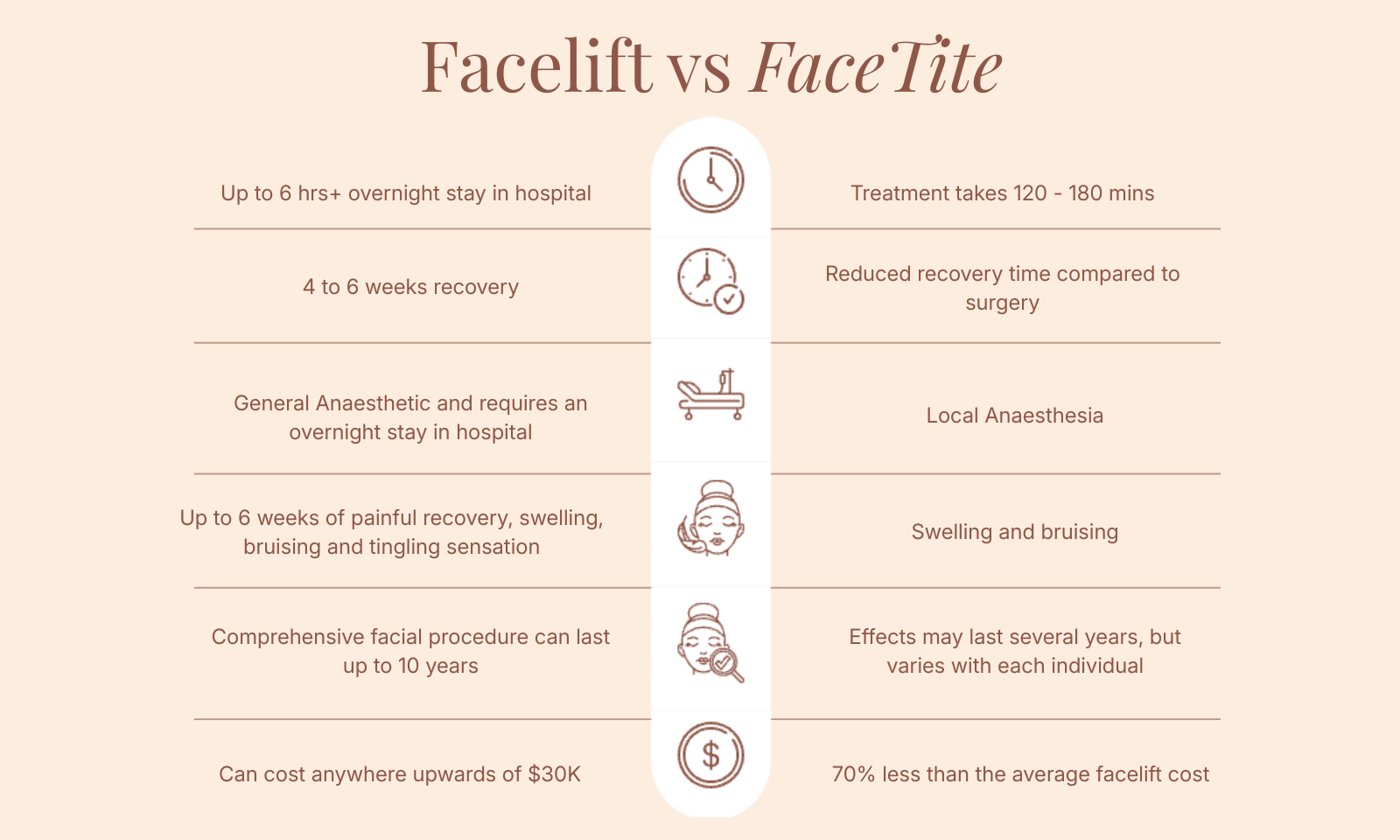
FaceTite vs Facelift
This comparison often comes up during consultation. FaceTite and facelift surgery can both be discussed in relation to lower face and neck changes, but they are different procedures.
FaceTite
- Minimally invasive medical procedure
- Usually performed under local anaesthetic, with or without sedation
- Does not involve surgical removal of skin
- Often considered for early to moderate skin laxity
- Recovery needs vary between patients
Facelift (Rhytidectomy)
- Surgical procedure
- Usually performed under general anaesthetic
- Involves lifting and repositioning deeper tissue
- May involve removal of excess skin
- Recovery is usually longer and more involved
FaceTite may be considered for patients with earlier changes in the lower face and neck. A facelift may be discussed where there is more advanced laxity or excess skin. A medical assessment is needed before either option can be recommended.
Who is FaceTite for?
Suitability for FaceTite depends on the individual, not just the concern being treated. A consultation looks at overall health, skin quality, anatomy, and personal goals.
It may be discussed for people who:
- are in good general health
- understand that results can vary
- are able to allow time for recovery
- are open to a minimally invasive approach where appropriate
- are open to other options if this procedure is not suitable
In some cases, another treatment or a surgical referral may be more appropriate. The purpose of the consultation is to decide what is suitable for the individual, rather than confirm a single treatment.
What the process may involve
1. Medical consultation
The process starts with a medical consultation. This is used to understand the patient’s health, concerns, goals, and suitability.
The consultation may include:
- a medical history review
- facial and neck assessment
- discussion of treatment goals
- explanation of options, risks, limits, and recovery
A treatment plan is only developed after this assessment.
2. Preparation before treatment
Preparation varies between patients. Some people may be asked to avoid certain medications or supplements before treatment. Skin preparation may also be recommended.
Clinical photos may be taken for medical records and assessment. These images are used to support clinical review.
The treating doctor provides instructions before the procedure.
3. Treatment day
The procedure is performed in a clinical setting. Local anaesthetic is usually used, with or without sedation, depending on the treatment plan.
During the procedure, a small entry point is made. The FaceTite device delivers controlled radiofrequency energy beneath the skin, while external monitoring helps track temperature.
Treatment time varies depending on the areas being addressed. Aftercare instructions are provided before the patient leaves.
4. Recovery and downtime
Recovery varies from person to person. Swelling, bruising, tenderness, numbness, or mild discomfort can occur after treatment.
Some people may need social downtime. Activity limits and aftercare instructions are discussed as part of the treatment plan.
Follow-up may be recommended to review healing and provide guidance where needed. Recovery advice is based on the procedure performed and the patient’s individual needs.
What to understand about FaceTite outcomes

Disclaimer: All images are shared with the patient’s explicit consent and are intended solely for use on Ascension’s official channels. Redistribution or reuse by any third party is strictly prohibited. Results are individual and may vary. A personalised consultation is required prior to treatment to determine suitability. As with all non-surgical cosmetic procedures, there are inherent risks and potential side effects, which differ according to the treatment, products used, and individual factors.
Outcomes from this type of treatment vary between patients. Changes can develop over time as the tissue responds and healing takes place.
During consultation, the practitioner may explain what level of change may be realistic based on factors such as skin quality, age, tissue thickness, and healing response. Some patients may observe changes over time, though the extent and nature of these changes vary and cannot be predicted.
Clinical photography may be used as part of assessment and medical records. It should not be treated as a promise of what another person can expect.
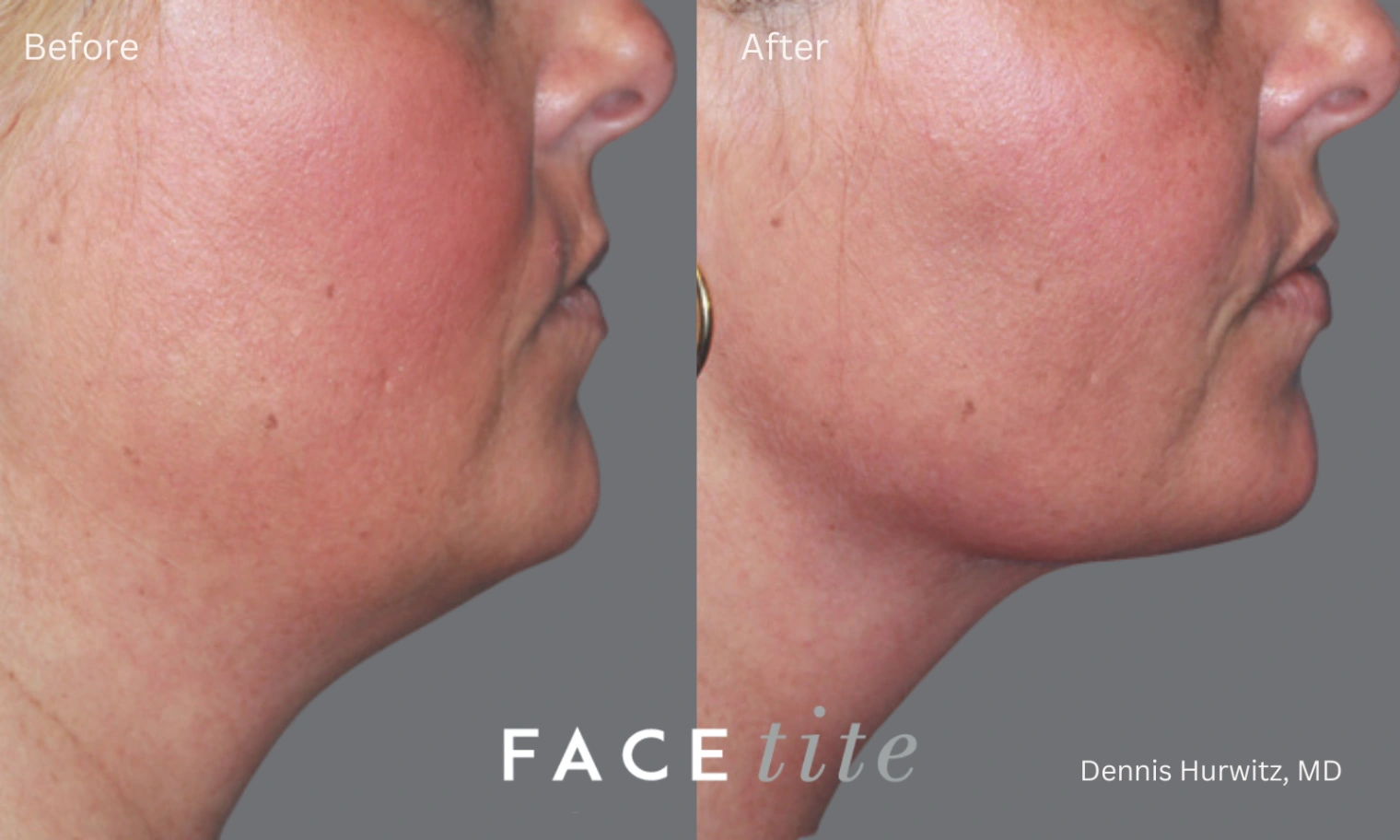
Disclaimer: All images are shared with the patient’s explicit consent and are intended solely for use on Ascension’s official channels. Redistribution or reuse by any third party is strictly prohibited. Results are individual and may vary. A personalised consultation is required prior to treatment to determine suitability. As with all non-surgical cosmetic procedures, there are inherent risks and potential side effects, which differ according to the treatment, products used, and individual factors.
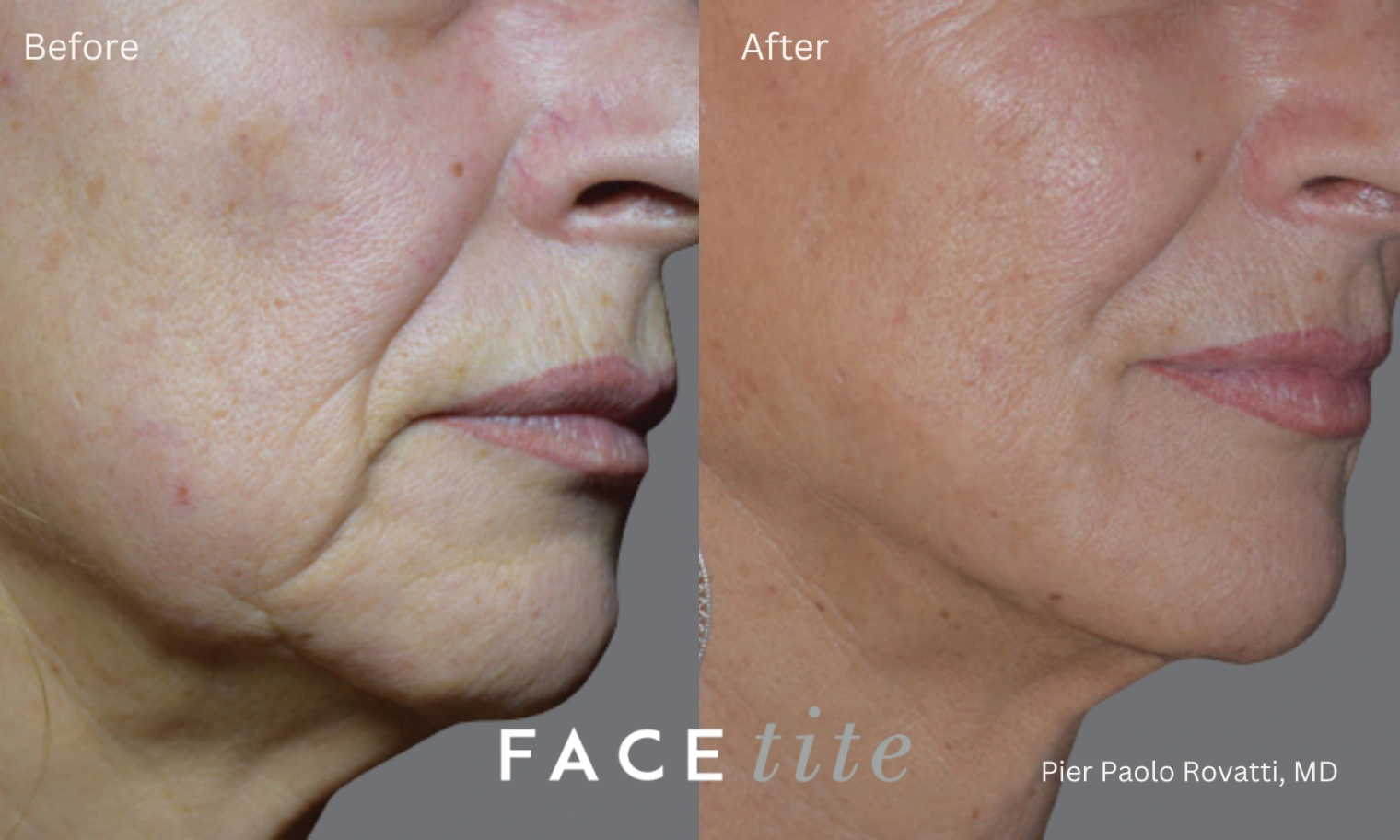
Disclaimer: All images are shared with the patient’s explicit consent and are intended solely for use on Ascension’s official channels. Redistribution or reuse by any third party is strictly prohibited. Results are individual and may vary. A personalised consultation is required prior to treatment to determine suitability. As with all non-surgical cosmetic procedures, there are inherent risks and potential side effects, which differ according to the treatment, products used, and individual factors.
Side effects and risks
As with any medical procedure, this also carries risks and possible side effects.These are discussed before treatment as part of informed consent.
Possible side effects and risks may include:
- swelling and bruising
- temporary tenderness or discomfort
- temporary numbness or altered sensation
- infection
- irregular contour
- thermal injury
These effects can vary in how they present and how long they last. The chance and severity can differ between patients. This may depend on the treatment area, skin quality, medical history, and individual healing response.
Some effects may settle within a short period, while others may take longer to resolve. Follow-up may be recommended to review healing and address any concerns as they arise.
Safety protocols, device settings, and temperature monitoring are part of the clinical process. These are used alongside practitioner judgement and experience during treatment.
A full discussion of risks, recovery, and alternatives forms part of the consultation process. Patients are given time to ask questions and consider their options before making a decision.
Treatment cost in Australia
The cost of this procedure in Australia varies between patients. It is usually based on the treatment area, the complexity of the procedure, the clinical setting, and the practitioner involved.
A consultation is needed before pricing can be confirmed. This is because the treatment plan depends on the person’s anatomy, goals, suitability, and the areas being assessed.
Cost should be considered alongside the risks, recovery, practitioner experience, and whether the procedure is appropriate for the patient. Pricing is discussed as part of the consultation process.
Why medical assessment matters
FaceTite is a medical procedure. It requires anatomical knowledge, device-specific training, and clinical judgement when assessing suitability.
Medical assessment helps determine whether the procedure is appropriate for the person’s concerns, health history, skin quality, and anatomy. It also helps identify when another option may be more suitable.
At Ascension Cosmetic Medicine, the doctor is involved in consultation, treatment planning, and procedural oversight. This helps make sure the procedure is considered in the context of the patient’s goals, risks, recovery needs, and available alternatives.
The focus is on appropriate patient selection, informed consent, risk discussion, and safe clinical care.

Consultations at Ascension
A consultation is the first step in deciding whether FaceTite is appropriate. It gives the practitioner time to assess the patient’s health, anatomy, concerns, and treatment goals.
The consultation may include:
- assessment of suitability
- discussion of what may be realistic
- explanation of risks, recovery, and limits
- discussion of other options, where appropriate
Each consultation focuses on the individual. A qualified practitioner reviews the available options and explains which approaches may be suitable based on the assessment.
This step is also used to answer questions and address any concerns. It gives patients time to consider their options without pressure.
People seeking further information can arrange a consultation to assess suitability.
Disclaimer
This information is provided for educational purposes only and does not replace a personalised medical consultation. Suitability for a FaceTite procedure must be assessed by a qualified health practitioner. Individual results vary. All medical procedures carry risks and potential complications.

 Book a time