


 Book a time
 Get in touch
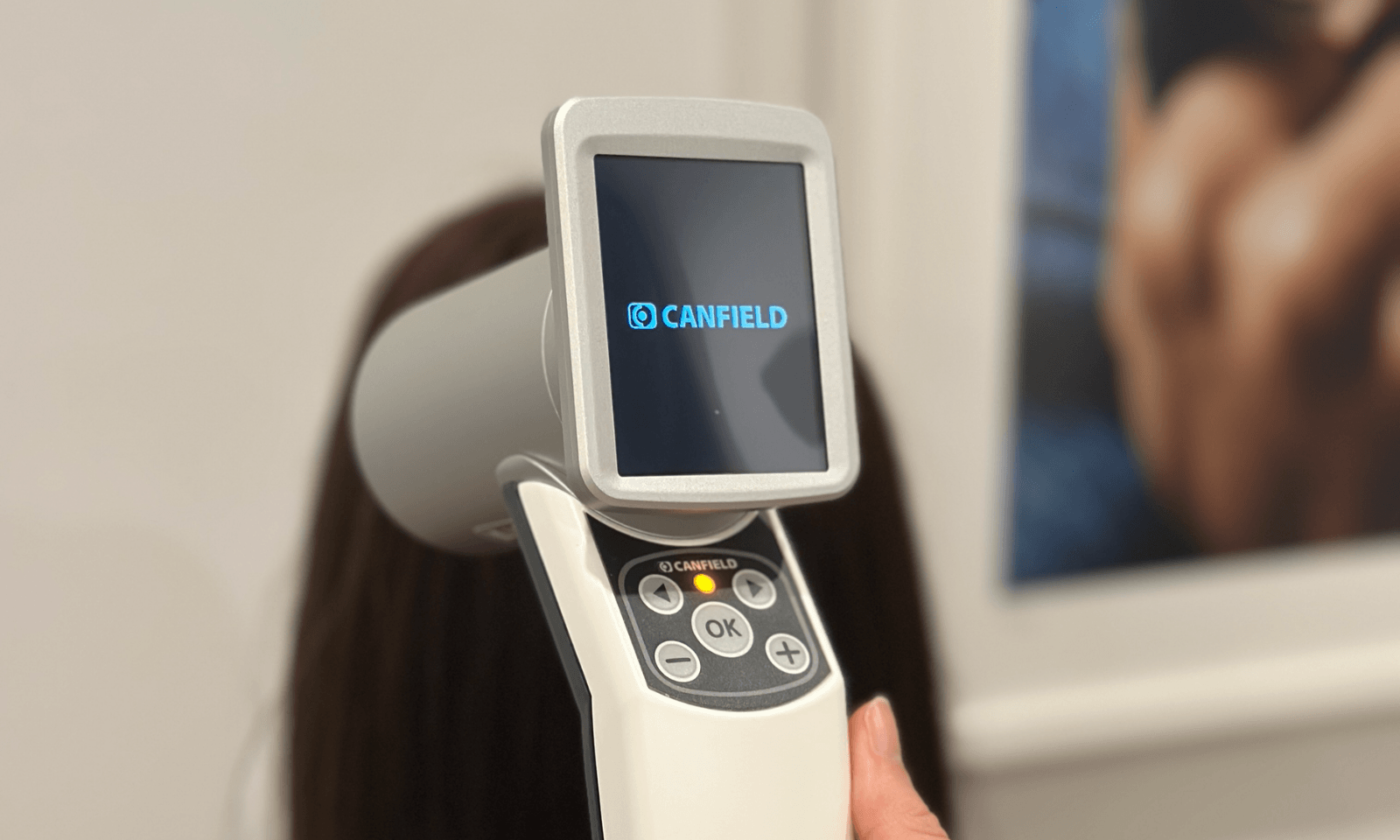
You might first notice it in everyday moments. Hair left on the pillow or in the shower. A wider part in photos. A hairline that looks slightly different over time. For many people, these changes happen gradually, and it can take a while before they start looking into what might be causing them.
Hair restoration treatment may be explored when changes such as thinning hair, a widening part, or a receding hairline are observed.
There are several options people may come across before seeking advice. This might include changing hair products, taking supplements, using scalp treatments, or looking into clinic-based procedures and surgical approaches. A helpful starting point is understanding the type of hair loss, what may be contributing to it, and how overall health may affect treatment planning.
In 2026, treatment planning typically involves assessment and diagnosis. From there, a plan can be developed and adjusted over time based on how your hair changes.

What is hair loss in men?
Male hair loss is most often linked to androgenetic alopecia, also known as male pattern hair loss. It involves genetic factors and sensitivity to a hormone called dihydrotestosterone or DHT.
Over time, this can cause the hair follicles to shrink, which affects how hair grows.
As follicles become smaller, the hair they produce may become finer and shorter. Growth cycles can also change, which means hair may not grow as long or as thick as before.
The pattern is usually consistent. Healthy Male describes male pattern hair loss as affecting the front and sides of the scalp, as well as the crown. This reflects the common signs below:
- recession at the temples
- thinning through the crown
- gradual loss of overall hair density
These changes tend to develop over time rather than all at once. The rate of progression varies between individuals, and not everyone will follow the same pattern.
Early signs may appear in the 20s for some people, while others may not notice changes until later. Because of this, timing and progression should be assessed individually.
What is hair loss in women?
Hair loss in women can be more complex, as there may be several contributing factors at the same time. These can include hormonal changes, perimenopause, low nutrient levels, stress-related shedding, and female pattern hair thinning.
In many cases, the hairline remains intact. Instead, the change is more diffuse across the scalp, which can make it harder to notice in the early stages.
It often appears as:
- thinning along the part line
- reduced volume across the scalp
- increased shedding
Some women notice gradual thinning, while others may see a sudden increase in shedding, especially after illness, stress, or hormonal changes.
Because these causes can overlap, it is not always apparent what is driving the change without assessment. This is why a structured review is important before considering any treatment approach.
In some cases, addressing underlying factors such as nutrition or hormonal changes may form part of the overall plan.
Why diagnosis matters: HairMetrix assessment
One useful part of hair restoration planning is being able to assess the scalp and hair in a more objective way. This helps move away from guesswork and toward measurable information.
At Ascension, tools like HairMetrix may be used to measure hair density, hair thickness, and patterns of follicle miniaturisation. This may provide additional information about how the hair is changing over time.
Tracking these changes can help guide decisions and adjust a plan where needed. It can also help show whether the current approach is appropriate.
Tools like this support clinical judgement, but they do not replace it. A full assessment still includes medical history, scalp examination, and discussion of symptoms.
Hair loss can be linked to medical, hormonal, nutritional, and genetic factors. Healthdirect Australia explains that alopecia can have many causes, and diagnosis may involve questions about symptoms, scalp examination, blood tests, or sometimes a scalp biopsy. In some cases, more than one factor is involved.
For this reason, assessment with the medical team, and dermatology input where needed, may help make sure underlying causes are not missed.
Hair restoration is typically guided by a clear diagnosis rather than assumptions.

Hair restoration treatments in 2026
Hair restoration is often planned using more than one approach. This depends on the cause of hair loss and individual factors.
Below are some of the approaches that may be considered in clinical practice.
Factor 4 Platelet-rich plasma (PRP) approaches in hair restoration
Factor 4 PRP involves taking a small sample of your own blood. This is processed in a controlled clinical setting to prepare the serum portion.
The prepared serum may then be applied or administered to the scalp under medical supervision. Because it is derived from your own blood, no donor material is used.

How it may be used in clinical practice?
It may be considered as part of a broader plan focused on scalp and hair management. Responses vary between individuals, and no specific outcome can be guaranteed.
Who may be suitable?
Suitability is assessed during consultation. It may be considered for people with early to moderate thinning or reduced hair density.
A medical assessment is required to review the cause of hair loss and whether this approach may be appropriate.
The process may involve:
- blood collection and preparation
- targeted application to the scalp
- a series of sessions based on clinical advice
Recovery and aftercare
Some people may experience temporary redness, swelling, tenderness, itching, tightness, or mild bruising. Less common risks, including infection or inflammation, are discussed during consultation.
Aftercare instructions are provided by the clinician and should be followed closely. Outcomes develop over time and will vary between individuals.
Exosomes in hair restoration
Emerging approaches involving cellular signalling components are currently being studied. Their clinical use varies, and they are not suitable for everyone. These approaches require medical oversight and are discussed in detail during consultation where relevant.

Disclaimer: All images are shared with the patient’s explicit consent and are intended solely for use on Ascension’s official channels. Redistribution or reuse by any third party is strictly prohibited. Results are individual and may vary. A personalised consultation is required prior to treatment to determine suitability. As with all non-surgical cosmetic procedures, there are inherent risks and potential side effects, which differ according to the treatment, products used, and individual factors.
What do they aim to support?
They may be considered in some cases to support the scalp environment. Their use in this area is still being studied, and clinical use may vary.
Who may be suitable?
Suitability is assessed during consultation. This may include individuals in earlier stages of hair thinning or those exploring additional options.
A medical assessment is required before considering this approach.
Important considerations
Exosome-based approaches are still evolving and are not suitable for everyone. The evidence base is continuing to develop, and responses vary between individuals.
Medical oversight and informed consent are required.
Regenera Activa (autologous micrografting)
Autologous micrografting procedures involve taking a small sample of your own scalp tissue. This is processed to create a micrograft suspension.
The prepared material may then be administered to targeted areas of the scalp under medical supervision.
What does it aim to support?
It may be considered to support follicular function and scalp condition in selected cases. Responses vary, and no specific outcome can be guaranteed.
Who may be suitable?
Suitability is assessed during consultation. It may be considered for early-stage hair thinning or for those exploring non-surgical approaches.
A medical assessment is required before proceeding.
The process may involve:
- small tissue sample collection
- processing into micrografts
- administration to areas of concern
Recovery and aftercare
Some people may experience temporary redness, tenderness, swelling, or mild discomfort. Risks are discussed during consultation.
Aftercare instructions are provided by the clinician. Outcomes develop over time and vary between individuals.
Combination approaches in hair restoration
Hair restoration is often not based on a single approach. A plan may include more than one method, depending on the cause of hair loss and the person’s overall health.
This may include:
- diagnostic assessment and tracking
- in-clinic procedures, where appropriate
- supportive therapies
- topical or oral treatments, if clinically indicated
These approaches are considered together because hair loss can involve several contributing factors. Clinical guidance from dermatology bodies also notes that management may vary depending on the type and stage of hair loss.
All recommendations are based on medical assessment. Not all options are suitable for everyone, and outcomes vary between individuals.
Ascension’s approach to hair restoration
At Ascension Cosmetic Medicine, hair restoration is guided by medical assessment and evidence-informed care.
The process starts with understanding the individual rather than applying a fixed approach. Cosmetic medicine consultations involve reviewing your concerns, medical history, and suitability, along with a discussion of risks and possible options.
This may include:
- a complete consultation
- scalp and hair assessment
- diagnostic imaging, where appropriate
- an individual treatment plan
- ongoing review and monitoring
Dr Scott Allison works with the clinical team to make sure each plan is based on the person’s hair loss pattern, medical history, and assessment findings.
This is intended to support appropriate and individualised recommendations.
The aim is to provide clear information and discuss suitable options before any treatment is considered.

Is hair loss treatable in 2026?
Hair loss may be managed in some cases, depending on the cause, stage, and pattern.
In 2026, hair restoration is less about choosing one option and more about understanding the full picture. This includes the type of hair loss, how far it has progressed, which options may be suitable, and whether a combined approach may be appropriate.
For patterned hair loss, Australia’s Better Health Channel notes that management may involve different options depending on the type and extent of hair loss. A medical assessment is needed to determine what may be appropriate.
Some forms of hair loss remain stable, while others may continue to change over time. For this reason, ongoing review may form part of the plan.
With a clear diagnosis and structured approach, some approaches aim to support scalp health and address contributing factors, though responses vary. Expectations should remain realistic, as responses vary between individuals.
Consultations with Dr Scott Allison
Every hair restoration plan begins with a consultation.
During this process, the practitioner assesses:
- medical history
- the pattern and progression of hair loss
- scalp health
- suitability for different options
This step is used to build a clearer understanding of what may be contributing to the changes you are seeing.
From there, a plan can be developed based on your assessment findings, goals, and what may be medically appropriate.
You will also have the opportunity to discuss risks, expected timelines, and what ongoing care may involve.
Hair restoration is best approached as structured, medically guided care over time.
Disclaimer
This article is intended for educational purposes only and does not constitute medical advice. Treatment suitability, risks, and expected outcomes vary between individuals. A consultation with a qualified medical practitioner is required to determine appropriate options.

 Book a time