


 Book a time
 Get in touch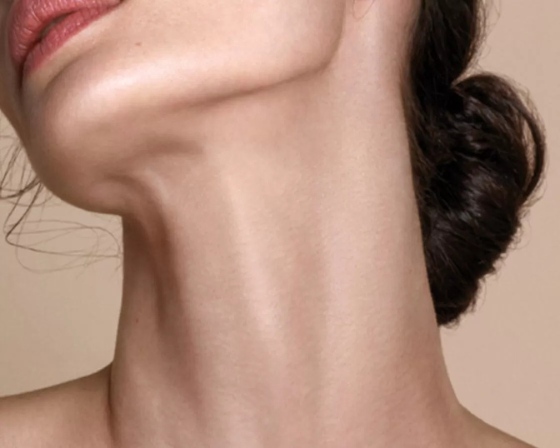

The quality of our skin changes over time due to factors such as collagen loss, sun exposure, and lifestyle influences.
This can lead to fine lines, dryness and reduced elasticity, especially in areas like the face, neck, décolletage and hands.
Dr Allison offers consultations to assess individual skin needs and to develop tailored plans using non-surgical treatments that may assist in supporting skin texture and hydration.
Some non-surgical skin treatments may involve prescription-only medicines or registered medical devices. In accordance with TGA regulations, these are not advertised publicly and are only discussed privately during consultation.
Areas Commonly Reviewed During Consultation
Face
The face is often the first area to show visible changes in skin hydration and elasticity. Factors such as sun exposure, environmental stress and natural collagen loss can contribute to fine lines, uneven tone and texture.
Dr Scott Allison evaluates the overall condition of the facial skin to determine suitable non-surgical approaches that may assist in supporting skin texture, hydration, and tone, while aiming to maintain natural movement and expression.
Neck
The skin on the neck is thinner and more prone to early laxity and creasing. This can result from posture, sun exposure or reduced collagen support.
During consultation, Dr Allison considers treatments that may assist in supporting skin hydration and condition in this area. Where other facial treatments are also being considered, these may be discussed together to inform an overall treatment plan.
Décolletage
The upper chest, or décolletage, is frequently exposed to sunlight and can develop fine lines and pigmentation over time.
Where patients have concerns related to tone and texture across the neckline, Dr Allison can discuss non-surgical treatment options that may assist in supporting hydration and overall skin condition.
Hands
The hands are one of the most visible areas to reflect changes in skin quality, particularly in texture, hydration and firmness.
Non-surgical treatments may be recommended to support skin resilience and hydration in this region. Where other treatment areas are also being considered, these may be discussed together to inform an overall plan.
Knees and Elbows
Skin over the knees and elbows naturally experiences more movement and tends to be drier and less elastic. Over time, this can lead to creasing or sagging.
Dr Allison can discuss non-surgical options that may assist in supporting skin texture and condition in these areas.
Potential Benefits of Non-Surgical Skin Support Treatments
Support for Skin Hydration and Texture
Non-surgical treatments may assist in supporting the skin’s natural moisture levels.
Encouraging Skin Tone and Resilience
Some procedures aim to stimulate natural renewal processes, which may support skin tone and resilience in treated areas.
Progressive, Individualised Outcomes
Depending on the suitable treatment, the outcomes may develop progressively over time.
Adaptable Treatment Planning
Approaches can be tailored to multiple regions, addressing unique skin needs across the face and body.
Clinical Oversight
All treatments are performed under medical supervision, with hygiene protocols observed throughout.
As with all medical procedures, outcomes and longevity vary between individuals. Dr Allison will discuss expected variability and risks before any treatment.
Who May Be Suitable
Individuals seeking to discuss skin dryness, fine lines, or mild laxity are welcome to book a consultation with Dr Scott Allison.
Suitable candidates generally:
-
Desire non-surgical, evidence-based options for skin quality support
-
Are in good overall health
-
Have realistic expectations about outcomes and understand that results vary
-
Are committed to following aftercare and maintenance plans
Some patients may not be suitable for certain treatment types. These details will be discussed during your consultation.
Recovery and Aftercare Guidance
After non-surgical skin treatments, redness, swelling, or tenderness may occur and typically resolves within a few days.
To support recovery, Dr Allison may recommend:
-
Avoiding direct heat exposure, intense exercise, or facial massage for 24–48 hours
-
Using gentle cleansers and fragrance-free moisturisers
-
Applying cool compresses to alleviate temporary swelling
-
Protecting the skin from sun exposure with broad-spectrum sunscreen
-
Maintaining hydration and a healthy lifestyle to support skin integrity
Follow-up appointments may be scheduled to assess progress and determine maintenance needs.
Your Consultation with Dr Scott Allison
During your consultation, Dr Scott Allison will:
-
Discuss your skin goals and concerns, including texture, tone and elasticity.
-
Review your medical background, allergies, and any previous treatments.
-
Perform a skin analysis, examining hydration levels, structure and overall condition.
-
Outline suitable treatment options, discussing benefits, risks, aftercare and expected variability in results.
-
Create a tailored plan, including treatment frequency, recovery guidance and cost transparency.
Where prescription-only products are appropriate, these are discussed privately following medical evaluation.
Consultations are performed at Dr Allison’s New Farm clinic in Brisbane.
Booking Your Consultation
Consultations with Dr Scott Allison focus on understanding your goals, reviewing medical suitability and creating a tailored procedure plan.
Appointments are available at his New Farm clinic in Brisbane.
All medical procedures carry inherent risks, which are discussed in detail before treatment. Potential side effects and aftercare will be outlined during your consultation and available to read on our Risks and Complications page to ensure you can make an informed decision.

 Book a time