


 Book a time
 Get in touch
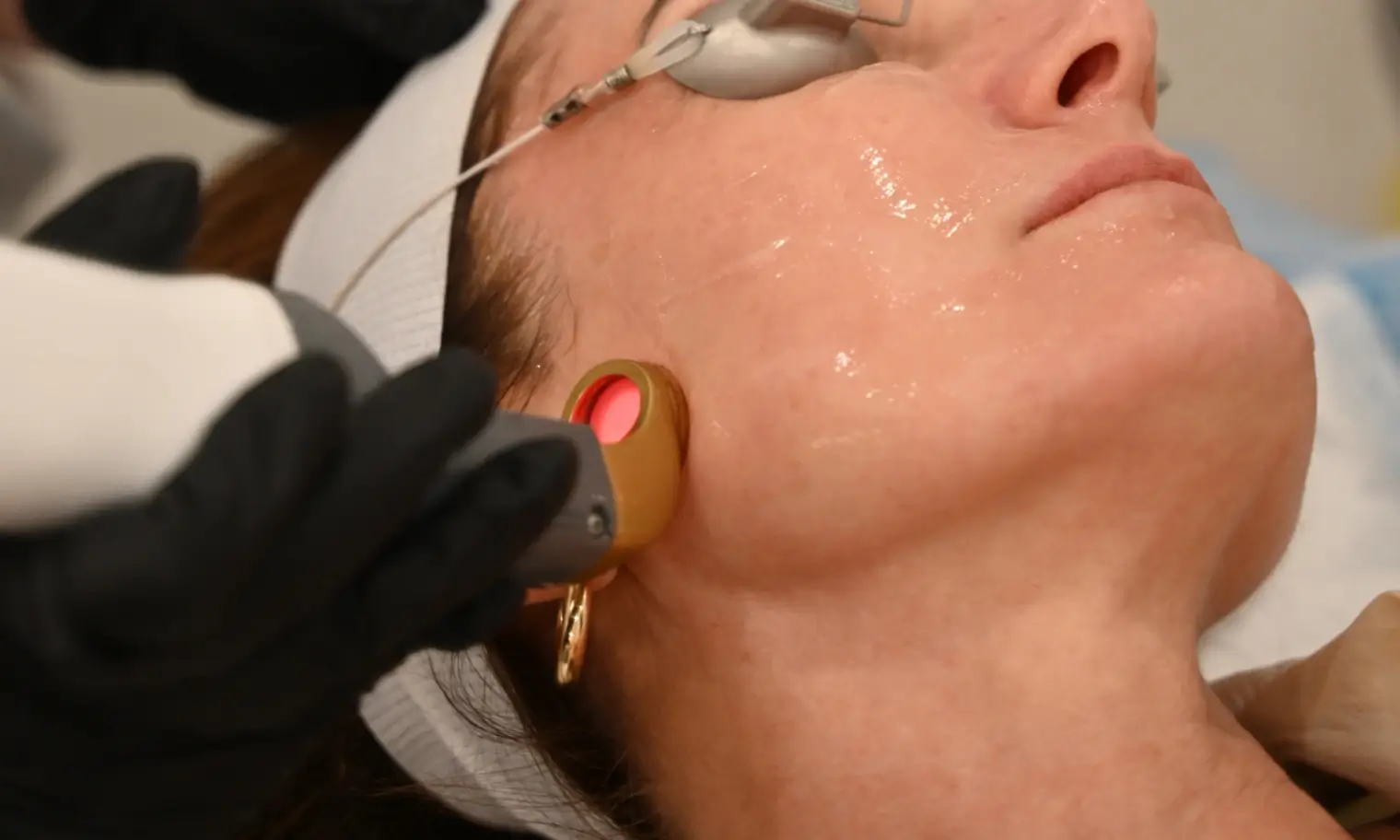
Redness, flushing, or visible vessels can be frustrating when they keep coming back.
Some people try calming skincare. Others avoid known triggers or try previous treatments. The redness may still return. That doesn’t mean the skin has failed, or that the person has done something wrong. It may mean the cause hasn’t been identified yet.
Facial redness and visible capillaries can look similar. Rosacea, cherry angiomas, venous lakes, and port wine stains can behave differently.
This article explains six vascular concerns that can appear on the skin. It also explains why assessment matters before treatment is discussed.
This information is general only. It can’t tell you which treatment is right for your skin. Talk with a qualified health professional before treatment starts. They can check if the treatment is suitable for you. They can also explain the risks, recovery, and other options.
6 vascular concerns that can appear on the skin
1. Spider veins
Spider veins, also called telangiectasia, are small visible blood vessels close to the surface of the skin.
They may look like fine red, purple, or blue lines. On the face, they often appear around the nose, cheeks, or chin.
They may be linked with:
- Sun exposure
- Genetics
- Skin changes over time
- Repeated flushing
- Inflammation or skin sensitivity
Facial spider veins are often close to the skin surface. Assessment still matters.
A clinician can check what the visible vessels are. They may be spider veins, another vascular concern, or part of a broader skin condition.
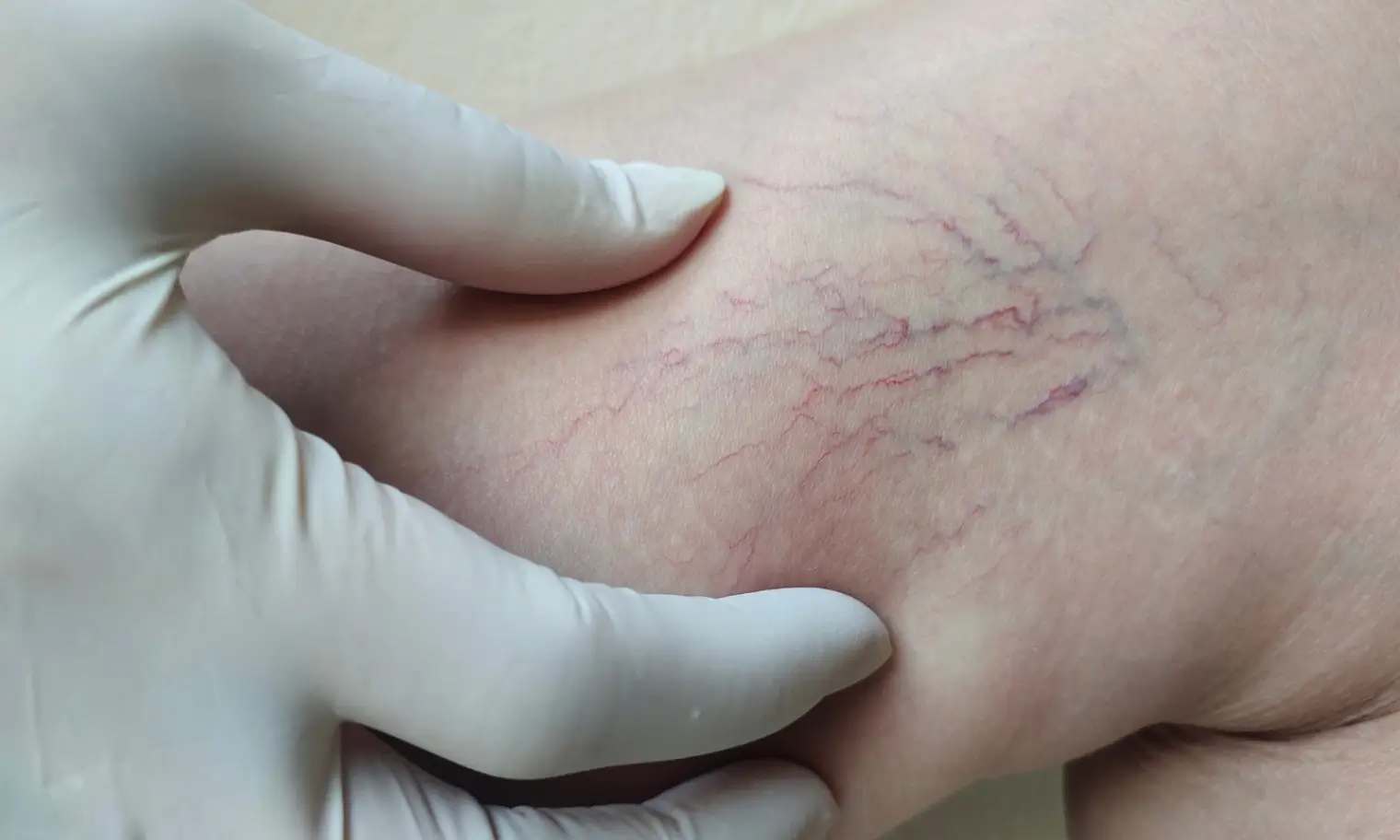
Spider veins and varicose veins are different
Spider veins and varicose veins are often confused, but they’re not the same.
Spider veins are smaller and sit closer to the surface of the skin. Facial spider veins are also assessed and managed differently from leg veins.
Varicose veins are larger and deeper. They may be linked with venous problems in the legs. They may also cause aching, heaviness, swelling, or skin changes.
Varicose veins may need medical, vascular, or surgical review. Facial spider veins and varicose veins shouldn’t be treated as the same concern.
2. Venous lake
A venous lake is a soft, dark blue or purple lesion. It’s often seen on the lips or ears.
It happens when small veins become dilated. It’s commonly linked with cumulative sun exposure and skin changes over time.
Venous lakes are often benign. They should still be checked before treatment is discussed. This matters if the lesion changes. It should also be checked if it bleeds, becomes painful, or starts to look different from the person’s usual skin marks.
3. Cherry angiomas
Cherry angiomas are small red or purple spots made up of clusters of blood vessels.
They’re common in adults and often increase in number with age.
They’re usually harmless. Some people seek assessment when they become irritated, bleed, catch on clothing, or change in appearance.
A clinician can check whether the spot looks like a cherry angioma. Medical review may be needed in some cases.
4. Port wine stains
Port wine stains are capillary malformations that are usually present from birth.
They often appear as flat red, pink, or purple patches. Over time, some may darken, thicken, or change in texture.
Early assessment may help. Treatment pathways can differ from other vascular concerns. Some people may need referral or medical review. The lesion, symptoms, age, location, and history all matter.
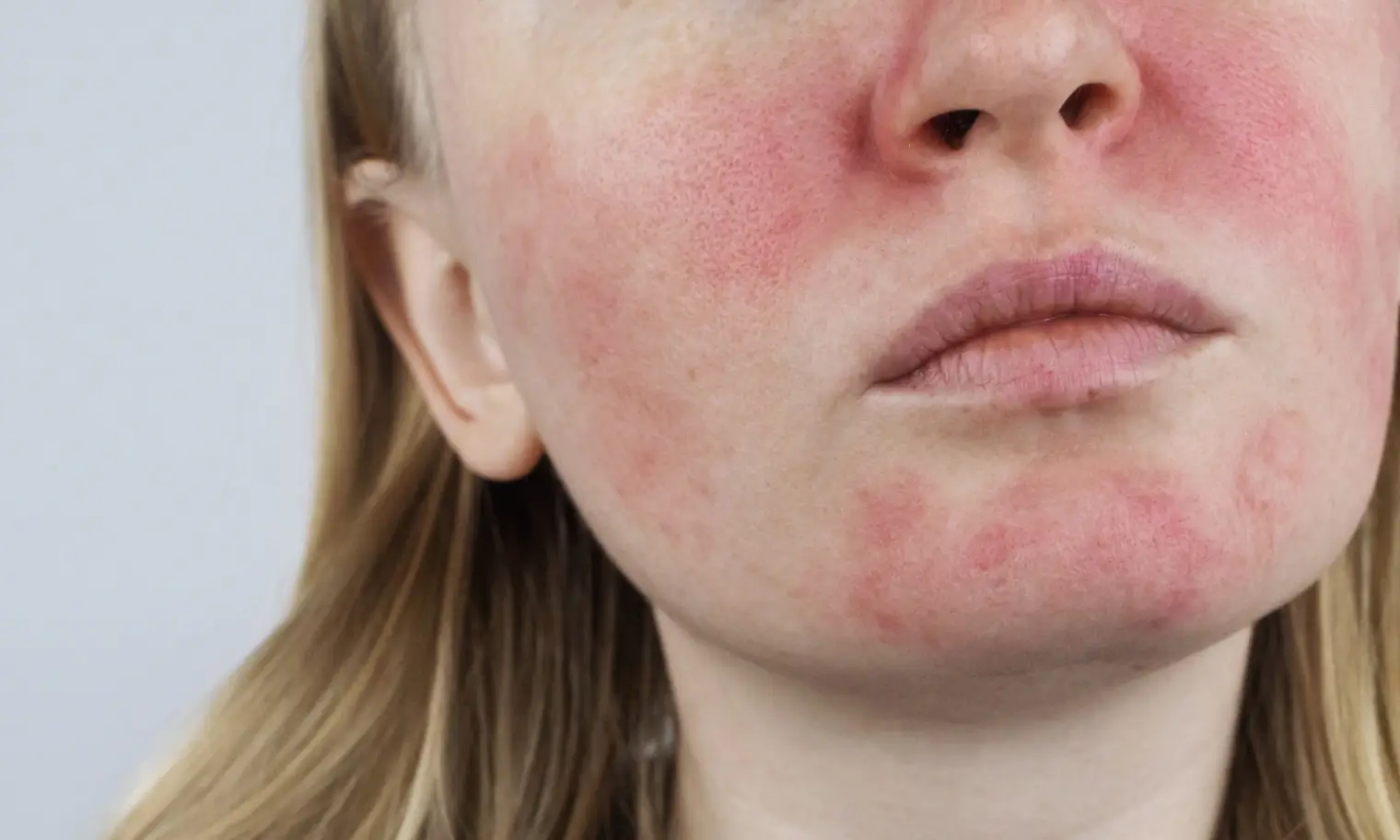
5. Rosacea
Rosacea is a chronic inflammatory skin condition that can involve redness, flushing, visible capillaries, sensitivity, and sometimes bumps or pustules.
Common triggers can include:
- Heat
- Alcohol
- Stress
- Sun exposure
- Spicy foods
- Some skincare products
- Temperature changes
Triggers vary from person to person.
Rosacea isn’t just simple redness. It can be a long-term skin condition, so the plan may need to be reviewed over time. Care may include trigger review, gentle skincare, sun protection, and treatment options where suitable.
6. Generalised redness and flushing
General redness and flushing can have several causes.
Some people experience redness related to:
- Skin barrier disruption
- Sensitivity
- Environmental exposure
- Heat
- Irritation from products
- Early vascular changes
- Inflammation
The source of redness matters. Barrier-related redness may need one plan. Visible vessels, rosacea, or a vascular lesion may need another.
When redness or visible vessels should be assessed
Assessment may be useful when redness or visible vessels keep returning, change over time, or don’t respond to simple skincare changes.
It’s also worth seeking advice when a mark or lesion:
- Changes in size, colour, shape, or texture
- Bleeds
- Becomes painful
- Becomes irritated often
- Appears on the lips, ears, or near the eyes
- Looks different from other marks on the skin
- Appears with other symptoms
- Hasn’t been clearly diagnosed
A consultation can help decide the next step. The concern may be suitable for cosmetic treatment, need monitoring, or need medical review.
How assessment guides management
Diagnosis should come before treatment.
A consultation may review:
- The type of vascular concern
- Skin type and sensitivity
- Symptoms such as flushing, irritation, or tenderness
- Possible triggers
- Previous treatments
- Current skincare
- Medical history
- Current medicines
- Risk of pigmentation change or scarring
- Whether referral or further review may be needed
This helps reduce trial and error. It also helps avoid treatments that may not suit the person’s skin or the type of concern.
Management options that may be discussed
Management depends on the diagnosis, severity, skin type, medical history, and the person’s goals.
Not every vascular concern needs treatment. Some people may prefer monitoring, skincare support, trigger management, or medical review first.
At Ascension Cosmetic Medicine, management starts with vascular skin assessment. A clinician may review the concern, symptoms, and history. They may also ask about triggers, past treatments, skin sensitivity, and risk factors.
Vascular laser treatment
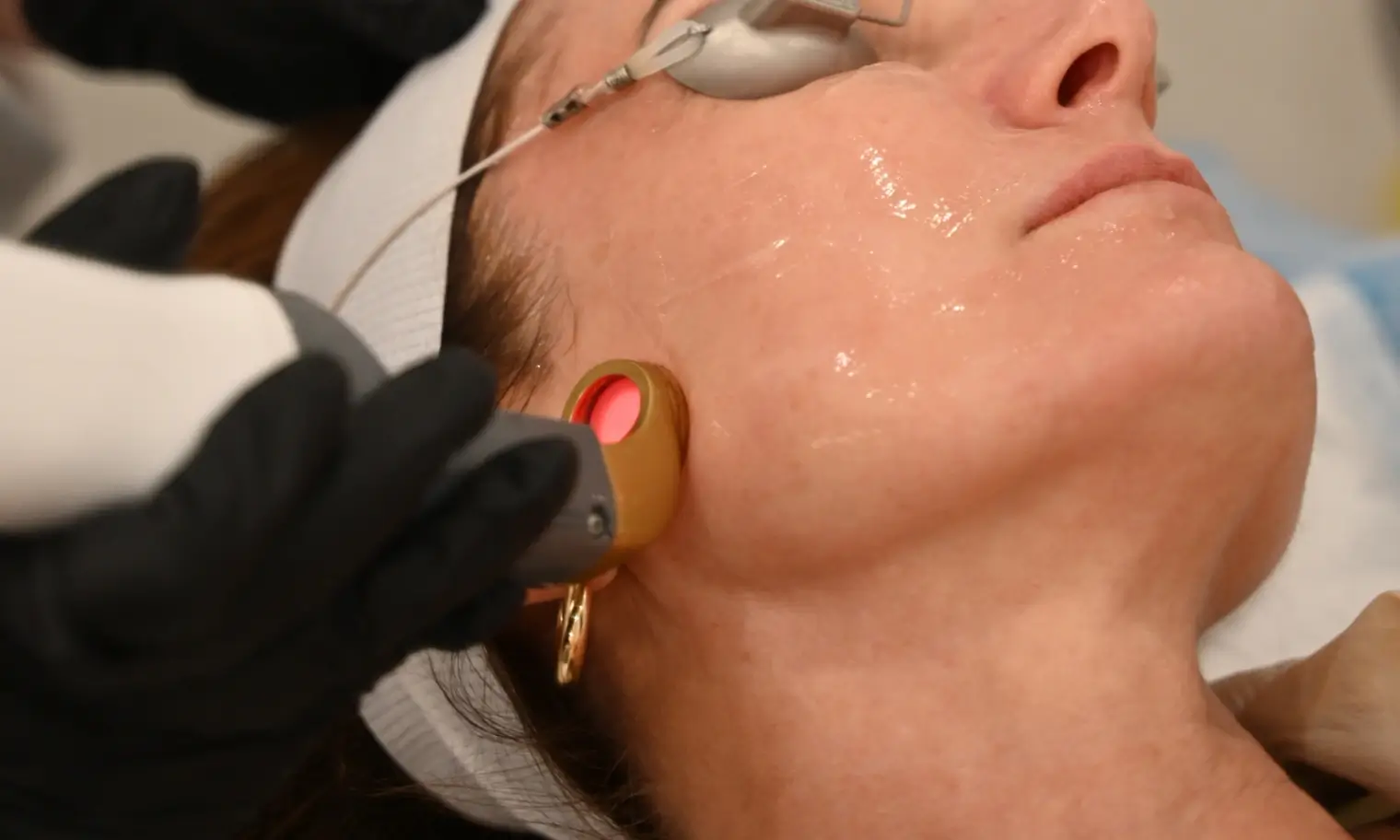
Vascular laser treatment may be discussed for some visible vessels or vascular lesions.
These treatments use specific wavelengths of light that may be absorbed by blood vessels in the skin. Suitability depends on the concern. Skin type, location, health history, and side effect risk also matter.
Laser treatment may be considered for some cases of:
- Facial spider veins
- Cherry angiomas
- Some rosacea-related visible vessels
- Some venous lakes
Laser isn’t suitable for everyone. Some concerns may need another approach. A referral may be needed before treatment is discussed.
A qualified health professional should explain what the option may help with. They should also explain its limits.
Topical and skincare options
Topical and skincare options may be discussed during consultation.
The right approach depends on the diagnosis. Skin barrier, sensitivity, current products, health history, and suitability also matter.
Some products may support the skin barrier. Others may help reduce irritation, depending on assessment. Some options may not suit sensitive skin or may cause irritation when introduced too quickly.
Some options need clinical assessment first. A qualified health professional can check if they’re suitable.
Lifestyle and trigger management
For concerns such as rosacea and flushing, trigger management can be part of long-term care.
This may include:
- Daily sun protection
- Avoiding known triggers where practical
- Using gentle skincare
- Supporting the skin barrier
- Avoiding harsh scrubs or irritating products
- Reviewing heat, alcohol, stress, or skincare triggers
Trigger management doen’t mean the person has caused the condition. It’s a way to understand what may worsen symptoms and what may help reduce irritation.
Possible risks and side effects
Vascular treatments may not be suitable for everyone.
Depending on the treatment and the person, possible effects may include:
- Temporary redness
- Swelling
- Warmth
- Tenderness
- Bruising
- Dryness
- Irritation
- Sensitivity
- Crusting
- Blistering
- Discomfort during or after treatment
Less common risks can include burns, infection, or scarring. Pigment changes, prolonged redness, or unexpected changes can also occur.
Topical products may cause dryness, stinging, peeling, or irritation. They may also worsen sensitivity if they don’t suit the skin or are used too often.
This isn’t a complete list. A qualified health professional should discuss the risks, recovery, and aftercare. They should also explain other options and what may happen without treatment.
What to ask during a vascular skin consultation
Before starting treatment for a vascular concern, it may help to ask:
- What type of vascular concern do I have?
- Is it cosmetic, medical, or unclear without further assessment?
- Are there signs that need referral or medical review?
- What options may be suitable for my skin?
- What are the risks and side effects?
- How many sessions may be needed?
- What recovery or aftercare is involved?
- What changes are realistic for my skin?
- What should I avoid before or after treatment?
- What happens if no treatment is started?
These questions can help make the decision more informed.
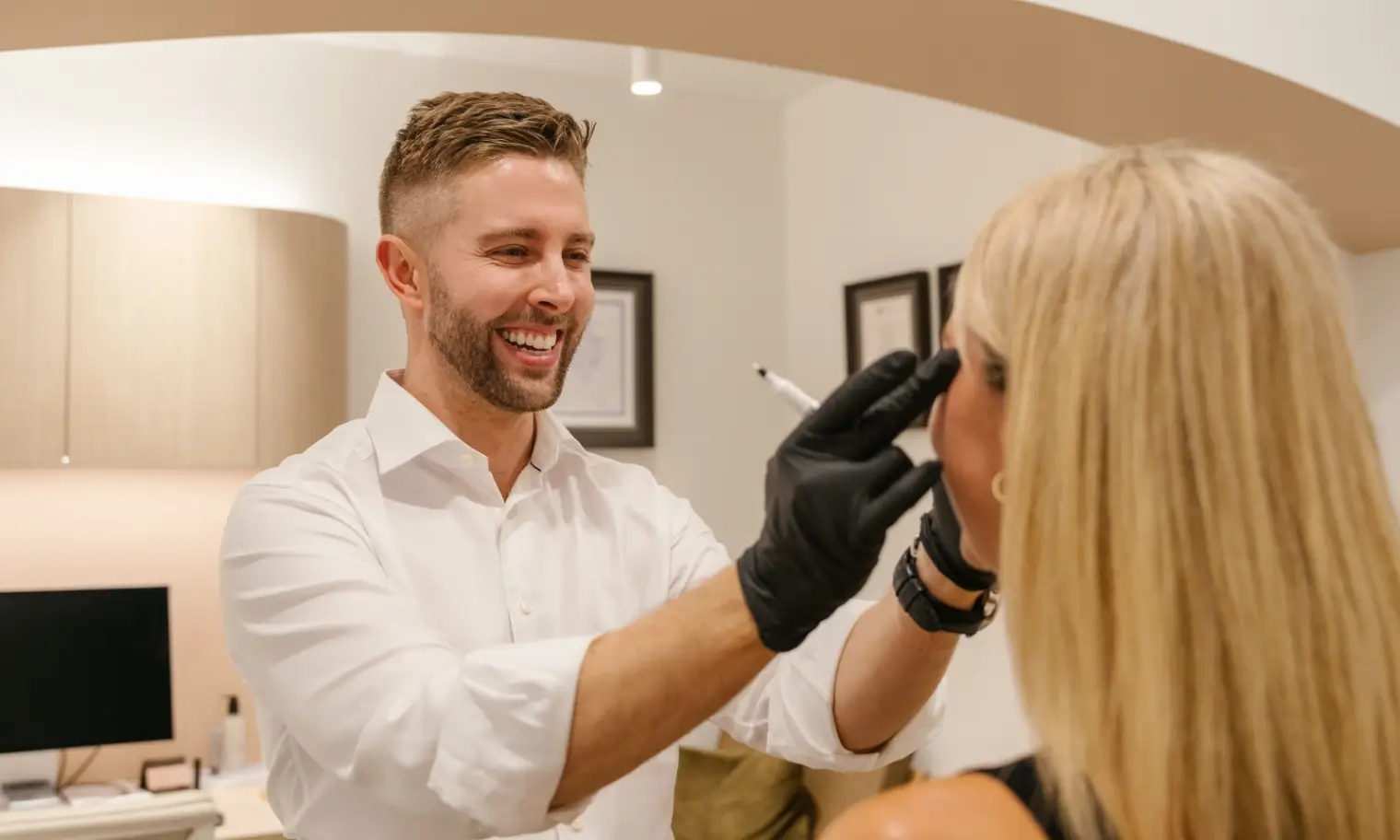
Assessment at Ascension Cosmetic Medicine
At Ascension Cosmetic Medicine, consultation can help assess the type of vascular concern, possible contributing factors, risks, and suitable management options.
Assessment may include visible skin changes, flushing patterns, and skin sensitivity. It may also review past treatments, health history, and skincare use.
Imaging or clinical review may be used when it’s appropriate. This can help guide the decision.
Treatment recommendations should come after assessment. The focus should be suitability, realistic expectations, risk discussion, and review over time.
A careful approach to vascular skin concerns
Vascular concerns are common, but they can behave in different ways. Spider veins may need one plan. Rosacea may need another. The same applies to venous lakes, cherry angiomas, port wine stains, and general redness.
Some concerns may only need monitoring. Others may need skincare support, trigger review, or medical assessment. Laser or another option may be discussed after assessment. This depends on whether it’s suitable.
The aim is to understand what’s happening in the skin, then choose care that’s suitable, realistic, and reviewed when needed.
Disclaimer
This article provides general information only. It doesn’t replace medical advice.
All treatments need a consultation first. A qualified health professional should check whether the treatment is suitable for you. They should explain the risks, side effects, and limits. They should also explain recovery before treatment starts. Other options should be discussed too.
Individual responses vary.

 Book a time