


 Book a time
 Get in touch
When people consider eye surgery, most of the focus is on the procedure itself and the issue it is intended to address.
Discussion is often centred on the day of treatment and the expected outcome, while the recovery period is less frequently considered.
People consider eye surgery for different reasons. Some are managing age-related changes such as cataracts. Others are seeking vision correction to reduce reliance on glasses or contact lenses. In some cases, the reason is functional, such as eyelid position affecting vision or comfort.
Regardless of the reason for surgery, recovery can vary between patients and may not always feel straightforward.
In the weeks after surgery, some patients notice changes in how their eyes feel. This may include dryness, irritation, or discomfort that was not present before the procedure.
In my practice at Ascension Cosmetic Medicine, I see patients who present with ongoing dryness, irritation, or discomfort following eye surgery. These symptoms can be part of the normal healing process, but in some cases, further management may be considered.
EyeLight LLLT is one option that may be considered in this context.
This article outlines:
- Why dry eye symptoms may occur after surgery
- What EyeLight LLLT involves
- How it may be used in post-surgical care
- The types of procedures it may complement
- Our clinical approach to eye health
Why do dry eyes after surgery occur?
The surface of the eye is protected by a tear film. This film is made up of three layers: oil, water, and mucin. Each layer plays a role in keeping the eye comfortable and stable.
Eye surgery can affect this system. These changes are often temporary, but they can lead to symptoms such as dryness or irritation.
Common contributing factors include:
- Temporary changes to corneal nerves, which can affect tear production
- Inflammation on the surface of the eye after surgery
- Changes in meibomian gland function, which affects the oil layer of the tear film
- Reduced or incomplete blinking during recovery
- Swelling or healing around the eyelids, which can affect how tears spread across the eye
Dryness may occur after different types of procedures, including:
- Cataract surgery
- Laser refractive procedures such as LASIK
- Blepharoplasty
- Ptosis repair
- Other procedures involving the surface of the eye or eyelids
In many cases, symptoms improve as the eye heals. In some patients, symptoms may last longer and require further management.

What Is EyeLight LLLT?
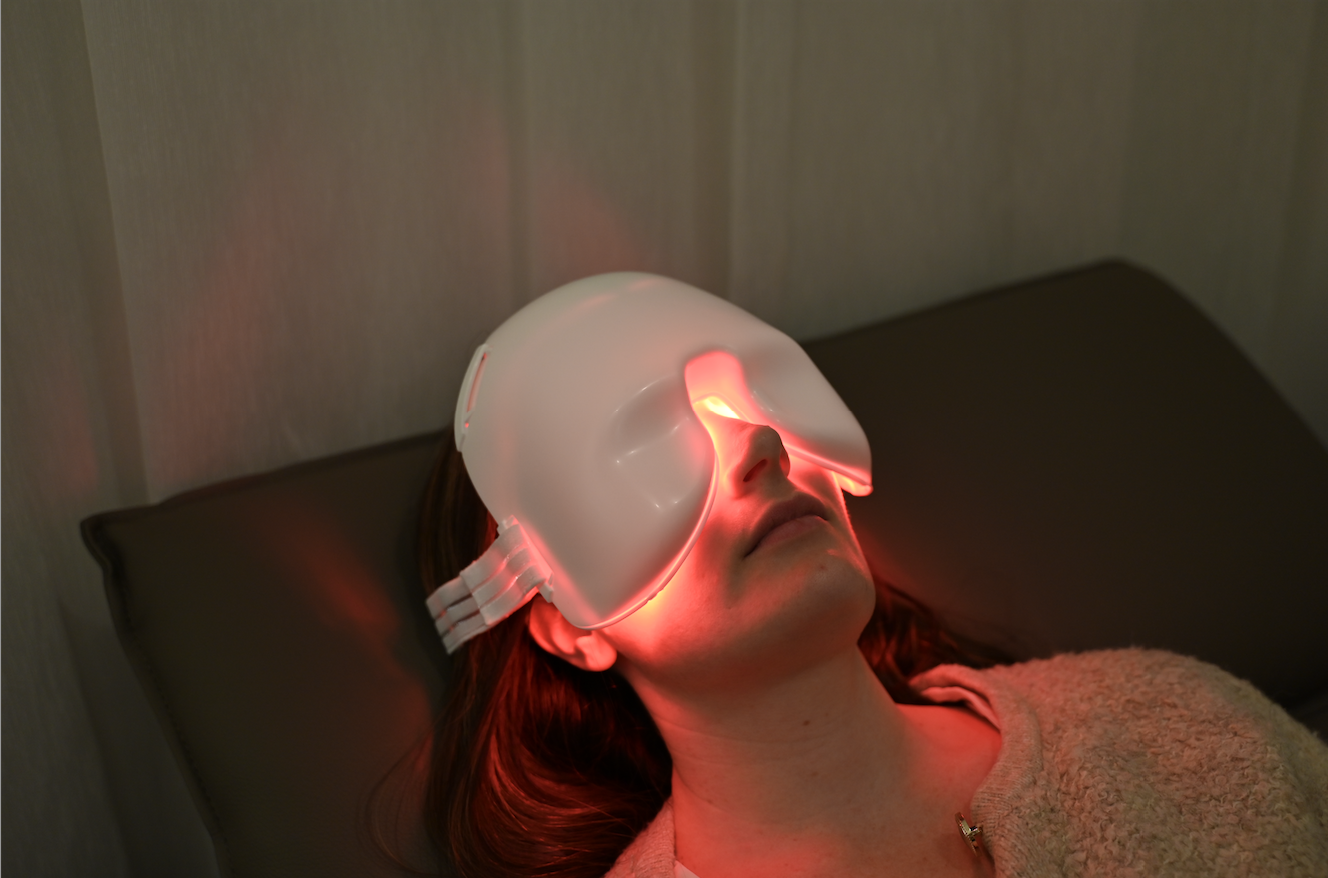
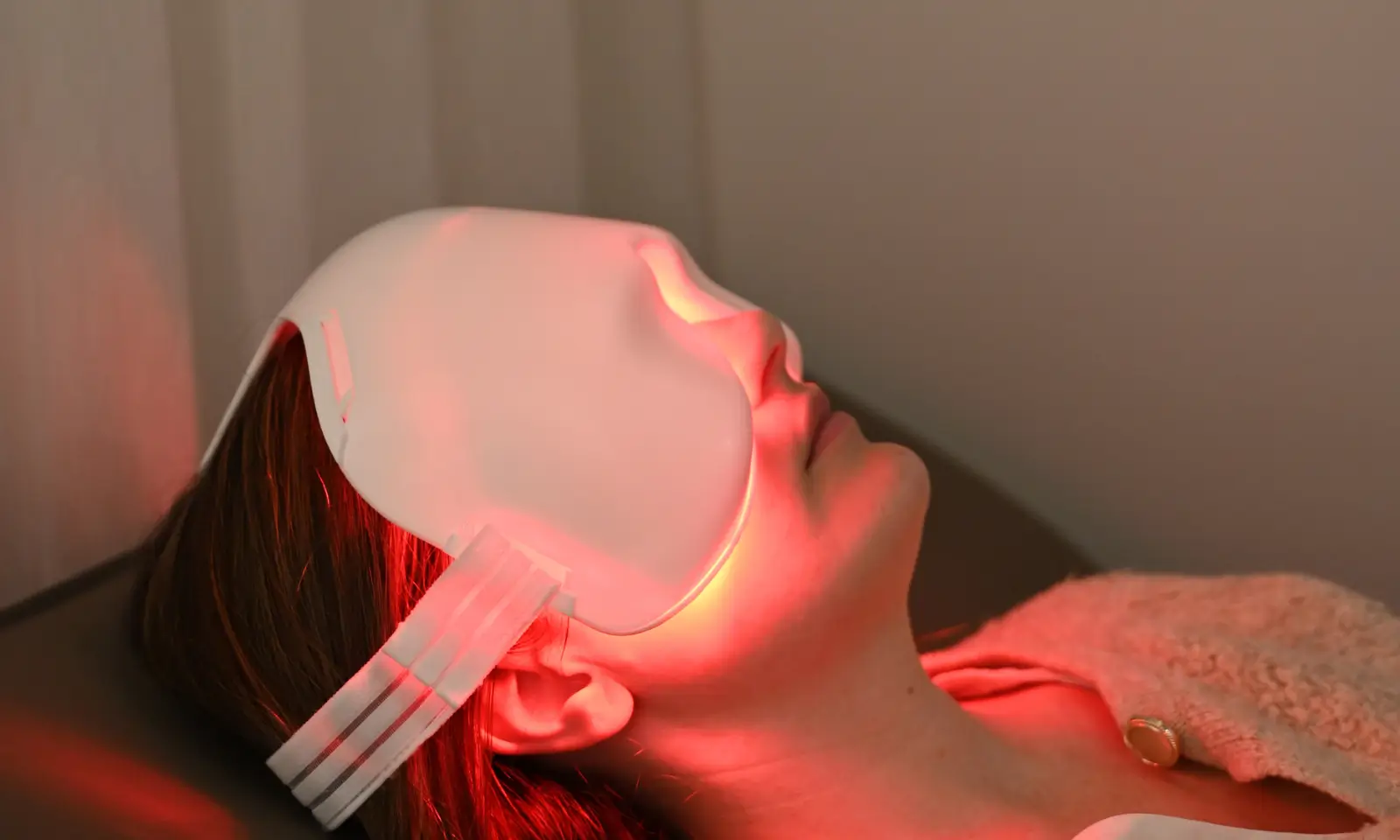
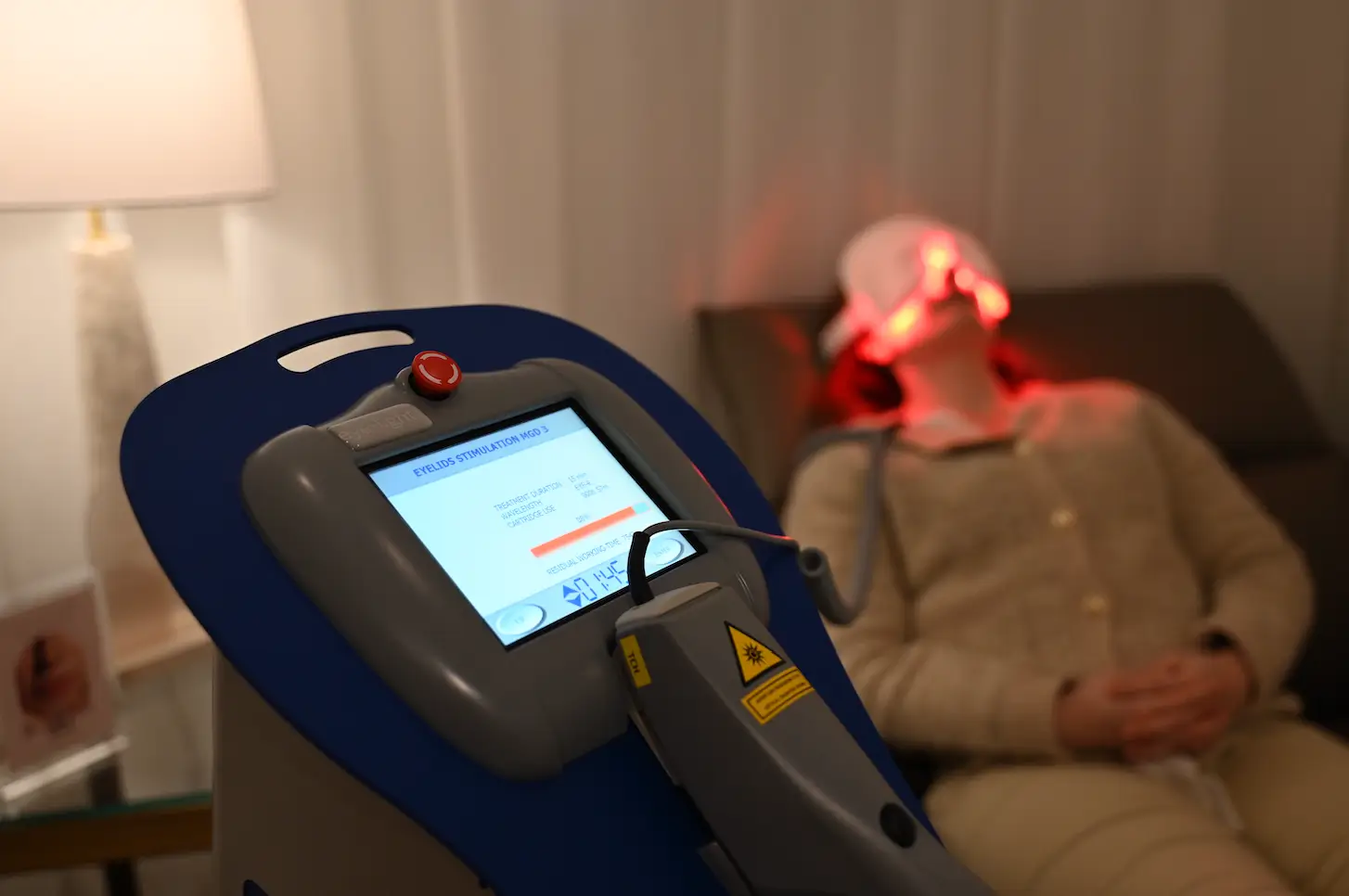
EyeLight LLLT is a form of low level light therapy for eyes. It is delivered using a medical device applied to the peri-ocular area, including the eyelids and meibomian glands.
This therapy uses light at specific wavelengths. The light is non-thermal, meaning it does not rely on heat. It is applied in a controlled setting to target superficial tissues around the eyes.
Low level light therapy is understood to influence cellular activity. In eye care, it may be considered in patients with tear film instability and eyelid gland dysfunction.
It may be used to:
- Support meibomian gland activity, which contributes to the oil layer of the tear film
- Assist in the management of dry eye symptoms
- Be used during recovery to support eyelid tissues
- Help reduce inflammatory activity associated with ocular surface conditions
EyeLight LLLT is non-invasive. It does not involve injections or surgical steps, and it is typically performed as an in-clinic procedure.
At Ascension Cosmetic Medicine, it is delivered under medical supervision following assessment.
How EyeLight LLLT may support post-surgical eye recovery
After eye surgery, the surface of the eye can take time to recover. Some patients experience ongoing dryness, irritation, or changes in tear stability. This can be linked to inflammation or changes in gland function.
EyeLight LLLT may be considered as part of post-surgical care in selected patients. Its use is based on its proposed effects on cellular activity in the treated area.
It may be used to:
- Help maintain tear film stability
- Assist meibomian gland function
- Reduce inflammatory activity in surrounding tissues
- Support overall comfort of the ocular surface
EyeLight LLLT is not a replacement for ophthalmic care or prescribed treatment. It may be used alongside standard management where appropriate.
Suitability varies between patients. Assessment is required before any treatment is considered.
Which Surgeries May EyeLight LLLT Complement?
EyeLight LLLT may be considered in patients recovering from procedures where dry eye symptoms are present.
Cataract Surgery
Dryness can occur after cataract surgery due to temporary changes in the ocular surface. Management may focus on maintaining tear stability during recovery.
Laser Vision Correction
Procedures such as LASIK can affect corneal nerves involved in tear production. Some patients experience dryness during the recovery period.
Blepharoplasty
Eyelid surgery may affect blinking patterns or gland function. This can influence how tears are spread across the eye.
Other Ocular Procedures
Any procedure involving the eyelids or ocular surface may lead to temporary dryness or irritation.
A clinical assessment is required to determine whether any adjunctive treatment is appropriate.
Other uses for EyeLight LLLT
Outside of post-surgical care, EyeLight LLLT may be considered in patients with:
- Chronic dry eye symptoms
- Meibomian gland dysfunction
- Blepharitis
- Ocular surface inflammation
- Eye discomfort associated with prolonged screen use
How cosmetic medicine relates to eye health
Cosmetic medicine may include treatments that involve the skin and tissues around the eyes. In some cases, this overlaps with factors that affect comfort and function.
Several factors can influence eye health. These include the condition of the skin around the eyelids, underlying inflammatory processes, hormonal changes, environmental exposure, screen use, and general health factors.
Management may involve a combination of approaches, depending on the patient. This can include:
- Device-based treatments where appropriate
- Skincare used in the peri-ocular area
- Changes to daily habits
- Coordination with an ophthalmologist or other treating practitioner
The approach taken will depend on individual assessment and clinical findings.
Ascension’s approach to eye health
My approach is structured and based on clinical assessment.
This includes:
- A detailed medical history
- Review of surgical background where relevant
- Assessment of ocular surface symptoms
- Discussion of previous treatments
- Explanation of risks, benefits, and alternative options
Treatment is not recommended unless it is considered appropriate following assessment.
Care is delivered with support from trained nurses and dermal clinicians, with a focus on safety and suitability.
Ascension Cosmetic Medicine provides services in Brisbane, the Sunshine Coast, and the Gold Coast.
What to expect in a consultation with Dr Scott Allison
Consultations are detailed and focused on understanding your individual situation.
During the appointment, I review the type of surgery you have had and the stage of your recovery. I also assess any current symptoms, such as dryness or irritation, and discuss how these have changed over time. Previous treatments or management strategies are also reviewed to understand what has or has not helped.
If EyeLight LLLT is considered appropriate, I explain how it may be used in your case. This includes a discussion about the number of sessions that may be required, as well as the possible benefits and limitations. Potential side effects and costs are also discussed so you can make an informed decision.
There is no obligation to proceed with any treatment. In line with AHPRA guidelines, treatment is only recommended where it is considered clinically appropriate after assessment.
Is EyeLight LLLT right for you?
Some patients seek options that do not involve additional procedures, or prefer care that is delivered in a clinical setting under medical supervision. In these cases, EyeLight LLLT may be discussed as part of a broader management plan.
It may not be suitable for all patients. A personalised consultation is required to determine whether this approach is appropriate.
Final thoughts on post-surgical eye recovery
Eye surgery is commonly performed for a range of conditions affecting vision and eyelid function. While the procedure itself is often the main focus, the recovery period can vary and may require ongoing attention in some patients.
Symptoms such as dryness, irritation, or discomfort can occur as part of the healing process. In many cases, these settle over time. In some patients, symptoms may persist beyond the expected recovery period and affect day-to-day comfort.
Ongoing symptoms should be reviewed to determine the underlying cause. This may include factors such as tear film instability, inflammation, or changes in eyelid or gland function following surgery.
Low level light therapy for eyes, including EyeLight LLLT, is one option that may be considered in selected cases. Its use depends on individual assessment and clinical findings, and it may be included as part of a broader management approach where appropriate.
At Ascension Cosmetic Medicine, my role is to assess each patient carefully and provide accurate, evidence-based guidance. This includes discussing available options, as well as their limitations and potential risks.
Management is individualised and may involve a combination of approaches depending on clinical needs, with the aim of maintaining ocular surface health over time.
If you are experiencing ongoing symptoms after eye surgery, a consultation can help clarify the cause and outline appropriate next steps.
Medical Disclaimer
All treatments are subject to individual assessment and suitability. Results vary between individuals. Any medical procedure carries risks and potential side effects. A consultation with a qualified medical practitioner is required to determine appropriateness. This information is general in nature and does not replace personalised medical advice.

 Book a time