


 Book a time
 Get in touch
Many people notice changes in their skin over time.
These are natural variations in the skin.
Skin may feel thinner.
Pores may look larger.
The jawline may look softer.
Skin around the neck or cheeks may start to loosen.
These changes often happen slowly, but they can affect how skin looks and feels.
Morpheus8 is a non-surgical skin treatment used to improve skin texture and firmness.
At Ascension Cosmetic Medicine, Dr Scott Allison offers Morpheus8 for people who want the appearance of smoother skin, improved skin health, and gradual tightening on the face or body.
Morpheus8 is one option used to address these changes.
It works by creating small, controlled injuries in the skin and delivering heat beneath the surface. This encourages the skin to repair itself.
It is important to understand that Morpheus8 is not surgery. It cannot remove large amounts of loose skin.
It is generally used for mild to moderate changes in skin health.
When used with careful planning, it may help improve texture, firmness, and the overall appearance of the skin.
This guide explains what is Morpheus8. It covers what the treatment is, how it works, who it may suit, what recovery may involve, and what results people usually expect.
If you are researching Morpheus8, this will give you a better idea of what the treatment can and cannot do.
What is Morpheus8
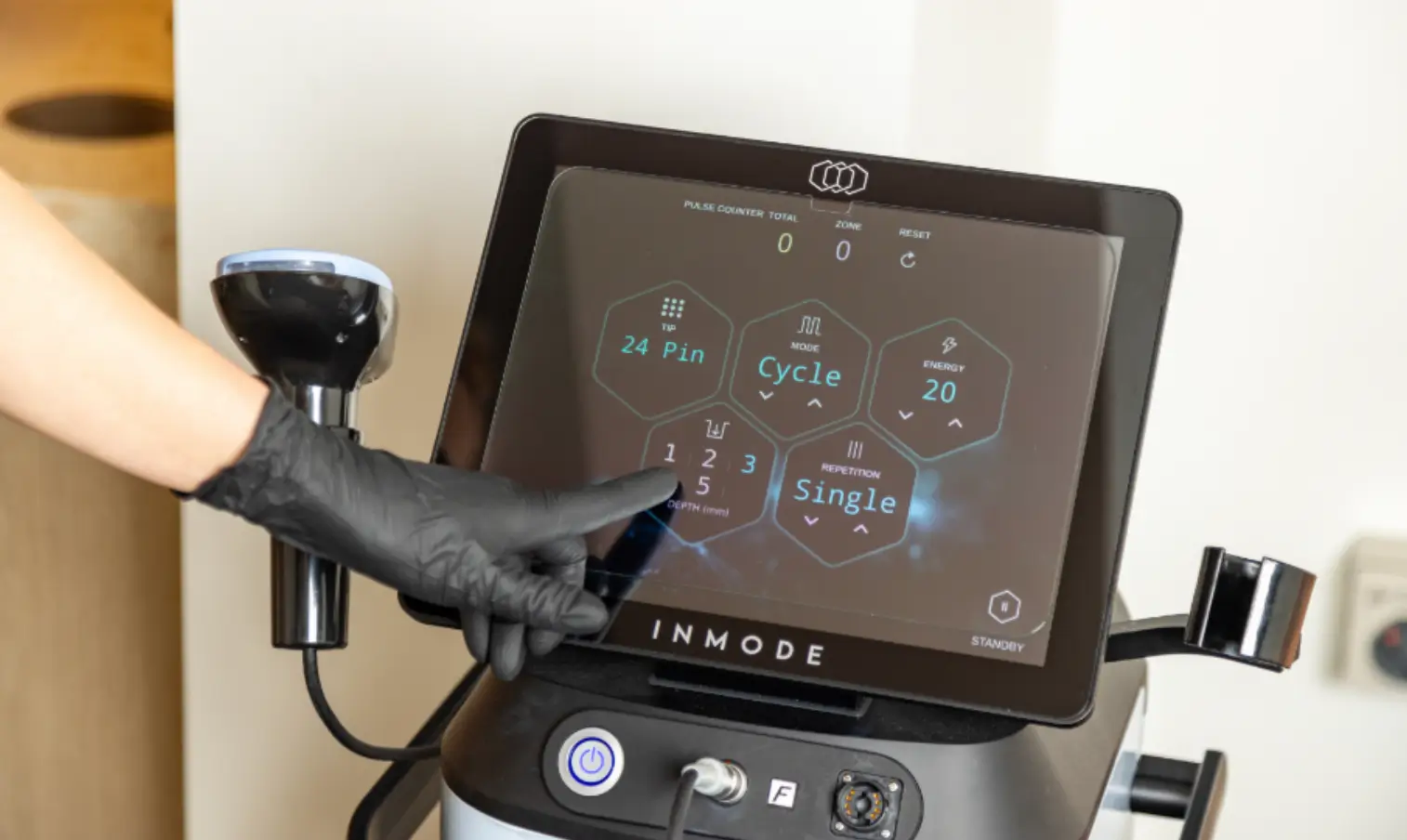
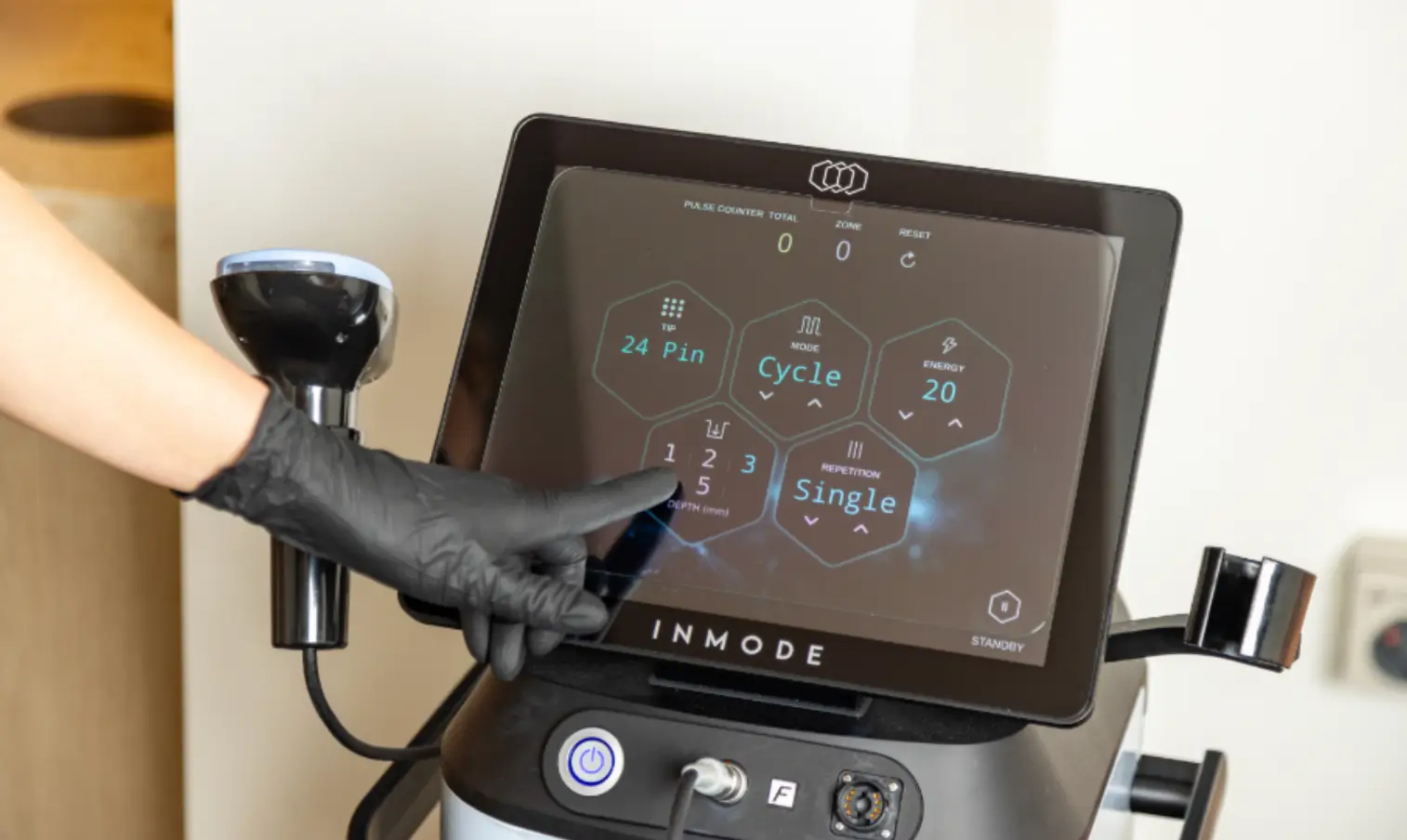
Morpheus8 combines two methods in one treatment: microneedling and radiofrequency heat.
Microneedling uses very small needles that enter the skin and create tiny channels in the surface. Radiofrequency is a type of energy that produces heat.
With Morpheus8, this heat travels through the needles into deeper layers of the skin.
When these two methods are combined, the treatment can affect both the surface of the skin and the tissue beneath it.
The small needle injuries trigger a natural healing response.
The heat delivered under the skin may support tightening as the skin repairs.
Over time, this process may improve skin texture and support collagen rebuilding.
These changes happen gradually because skin needs time to repair itself.
Many people notice improvement over several weeks or months.
You may hear the word “fractional” used to describe Morpheus8.
This means the treatment targets small points within the skin rather than treating the whole surface at once.
The untreated skin between the points helps the area recover.
How Morpheus8 works
Morpheus8 works through two main actions: the needles create small repair points, and heat is delivered under the skin.
Microneedles create small repair points
The device uses a group of small needles that move into the skin.
These needles create many tiny punctures. Each puncture is small and controlled.
Your body responds by starting a healing process.
During healing, the skin begins to rebuild.
This may help improve skin texture and surface condition.
It may also help with the appearance of pores and some types of scarring.
Heat is delivered under the skin.
At the same time, radiofrequency energy travels through the needles and creates heat under the surface of the skin.
The heat is delivered at a planned depth. Depth matters because skin thickness changes across the body.
For example, the cheeks are usually thicker than the neck, and body skin is often thicker than facial skin.
Areas such as the jawline and chin also behave differently from the forehead.
Because of this, settings are adjusted for each area.
Careful planning helps reduce risk and improves the chance of achieving individual results.
What Morpheus8 may help improve
Morpheus8 is often used when skin changes are mild to moderate.
It is commonly used to improve skin condition rather than dramatically change facial structure.
It may be considered for mild to moderate skin laxity, early sagging in the lower face, and uneven or rough skin texture.
It may also be used where there is visible pore enlargement, fine lines, or crepey skin in areas such as the neck or knees.
In some cases, it may be considered for acne scarring or stretch marks.
Texture changes are often the first thing people notice.
Skin may look smoother or more even.
The appearance of firmer skin may show later because deeper changes take longer.
Warning: Outcomes shown or described are only relevant for that specific patient and do not necessarily reflect the results other patients may experience.
What Morpheus8 cannot do
It is important to understand what Morpheus8 cannot do.
It does not remove large amounts of loose skin. It does not produce immediate final results. It does not address every type of scar.
When skin laxity is more advanced, surgery may be a more appropriate option.
In some situations, Morpheus8 may still be used to improve skin texture even when surgery is planned.
A consultation helps determine which option may be most appropriate.
Areas Morpheus8 can treat
Morpheus8 can be used on both the face and body.
Face and neck areas
Common areas include the lower face, jawline, cheeks, around the mouth, under the chin, and the neck. These areas are often treated because they commonly show early changes in texture or looseness.
Body areas
Morpheus8 may also be used on areas such as the abdomen, upper arms, thighs, knees, and the bra-line region. Body skin is thicker than facial skin, so settings and the number of sessions may differ.
Combining Morpheus8 with other treatments
In some cases, Morpheus8 may be combined with other treatments to address different concerns.
Examples include WonderFace, which focuses on muscle stimulation, FaceTite, which targets deeper tissue tightening, and Ultraformer, which uses ultrasound for deeper support.
Not everyone needs combination treatment.
The most appropriate plan depends on your skin structure and goals.
Who Morpheus8 may suit
Suitability is determined during a medical consultation.
Dr Scott Allison conducts a detailed assessment before recommending treatment.
This includes skin thickness, the degree of skin laxity, overall skin condition, and treatment goals.
Medical history, current medications, previous treatments, and healing history are also considered.
People who may benefit most are those with early skin changes who want gradual improvement without surgery.
When Morpheus8 may not be suitable
Morpheus8 may not be recommended for everyone.
It may not be suitable for individuals with active skin infections, inflamed or compromised skin, or certain health conditions that affect healing.
It may also be unsuitable where expectations do not align with what is clinically achievable.
In some cases, treatment may be delayed until the skin has recovered.
Risks and side effects
All cosmetic treatments carry some risk.
Possible side effects include redness and swelling, bruising, temporary skin colour changes, acne or follicle irritation, infection (rare), and scarring (rare).
Careful planning and proper aftercare help reduce these risks.
What the treatment process looks like
Treatment at Ascension Cosmetic Medicine usually involves several steps.
1. Consultation
The first step is a consultation. Dr Scott Allison assesses your skin and discusses your goals.
This helps determine whether Morpheus8 is appropriate.
The consultation may also cover expected benefits, possible side effects, alternative treatments, and the estimated number of sessions.
2. Treatment planning
Morpheus8 is usually performed as a series of treatments, often spaced several weeks apart.
A treatment plan includes the areas to be treated, treatment depth and settings, the number of sessions recommended, and the timing between sessions.
Planning is important because skin thickness and tissue behaviour differ across the face and body.
3. Treatment day
On the day of treatment, numbing cream is usually applied to the skin.
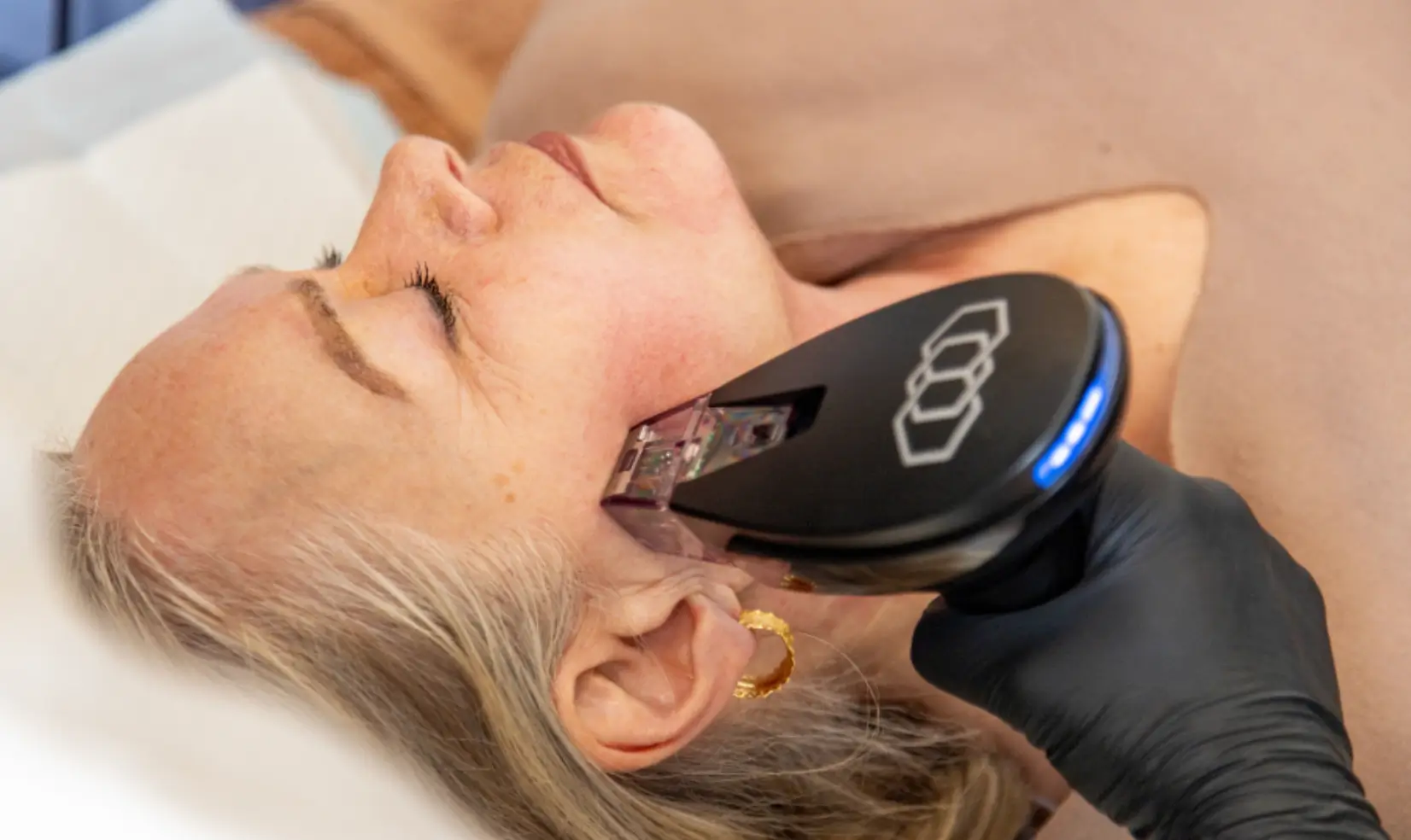
The device is then passed across the treatment area.
The needles enter the skin and deliver radiofrequency energy.
Treatment time depends on the size of the area being treated.
After treatment, the skin may look red and feel warm.
Mild swelling is common. Some people notice small grid-like marks for a short time. These usually fade as the skin heals.
4. Aftercare
Aftercare helps the skin recover properly.
Short-term effects may include redness, mild swelling, skin sensitivity, dryness, and mild flaking.
Aftercare may include gentle cleansing, regular moisturising, and daily sunscreen use.
You may also be advised to avoid heat exposure, such as saunas, and limit intense exercise for a short period.
Strong or active skincare products may need to be avoided until the skin has settled.
What recovery usually looks like
Recovery varies depending on treatment intensity and the area treated.
A common pattern is redness, swelling, and sensitivity during days 1 to 3.
During days 4 to 7, skin may feel dry or slightly rough as it heals.
Over the following weeks to months, skin continues to rebuild gradually.
Many people return to normal daily activities within a few days, although visible redness can sometimes last longer.
When results appear
Morpheus8 results develop gradually because they rely on the skin’s natural repair process.
Many people notice changes in texture first, then the appearance of firmer skin later, followed by gradual improvement over several months.
Results depend on skin condition before treatment, the number of sessions completed, treatment settings, aftercare, and lifestyle factors such as smoking or sun exposure.
Why skin health matters
Many people think only about lifting when they think about ageing.
Skin health also matters.
Changes in texture, pores, and thickness can occur as part of the natural ageing process.
Treatments such as Morpheus8 aim to improve skin texture, skin firmness, and overall skin appearance.
For some people, improving these factors may create a more refreshed appearance without major structural change.
Results develop gradually as the skin heals and rebuilds.
If you are considering Morpheus8, a consultation with a qualified medical practitioner can help determine whether it may be appropriate for your situation.
Medical disclaimer
All medical and cosmetic procedures carry risks and possible side effects. Results vary between individuals. A consultation with a qualified medical practitioner is required to determine suitability. This information is general in nature and does not replace personal medical advice.

 Book a time