


 Book a time
 Get in touch
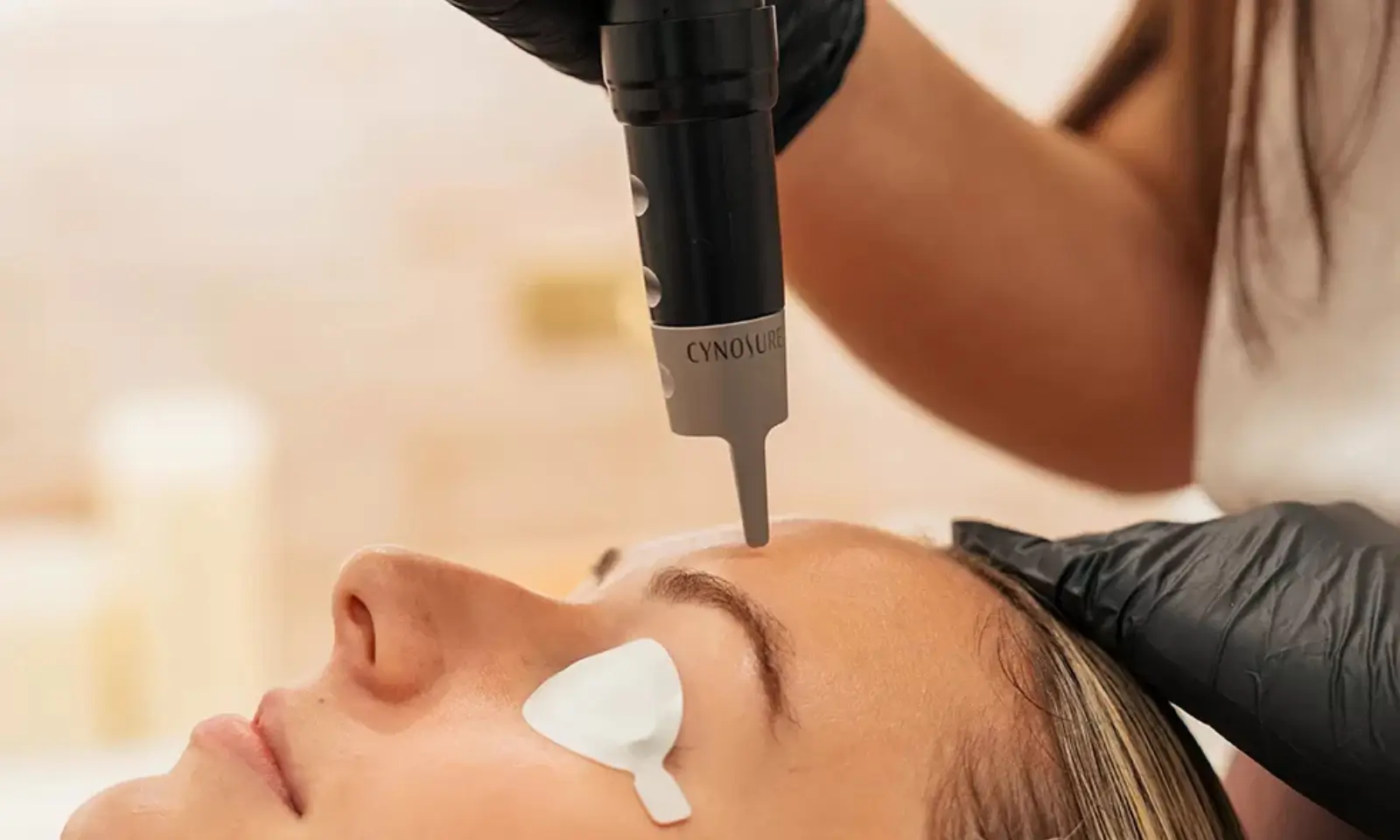
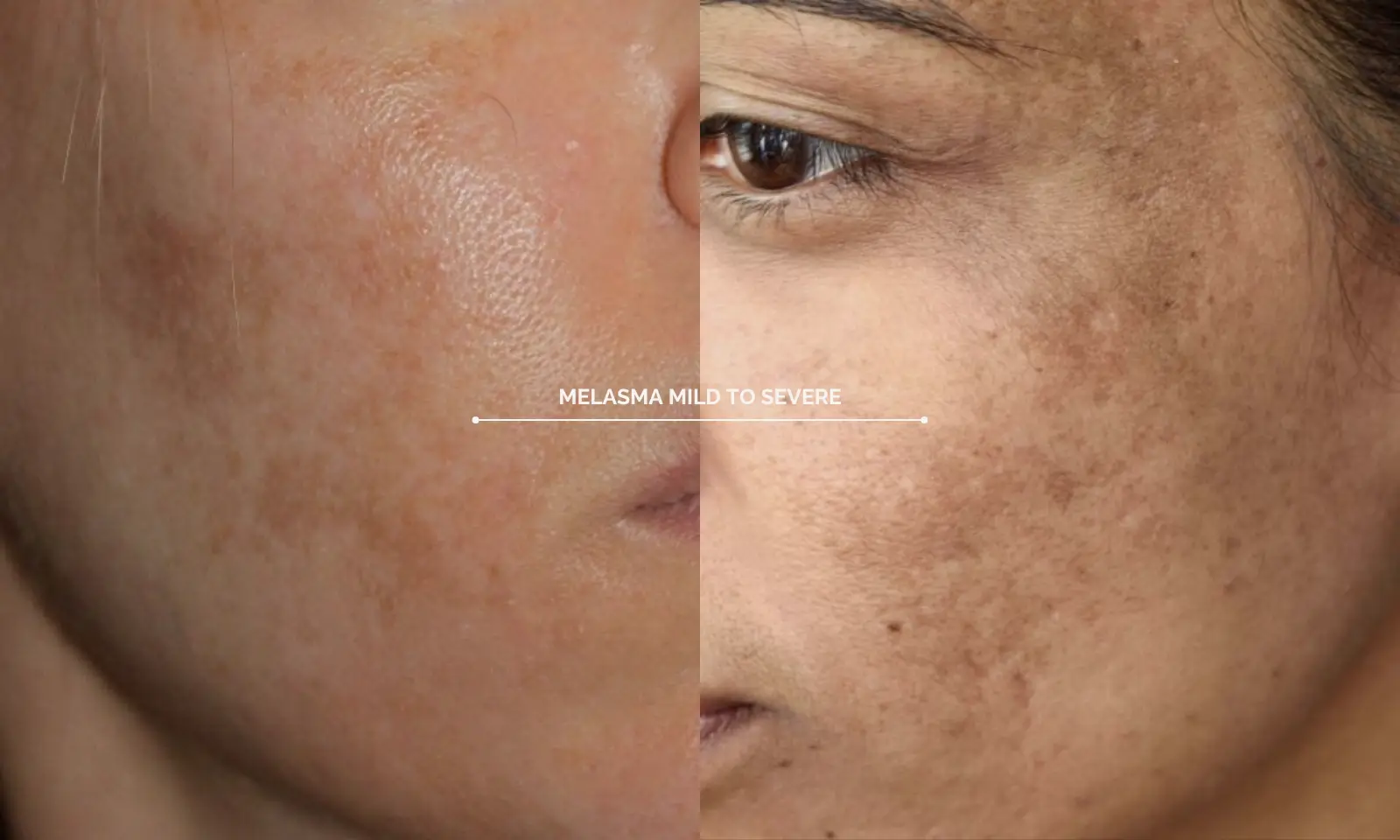
Melasma can be frustrating when pigment seems to fade and then becomes more noticeable again.
Some people notice patchy brown or grey-brown pigment on the cheeks, forehead, upper lip, nose, or jawline. It may become more noticeable after sun exposure, heat, hormonal changes, or skin irritation.
This guide covers 7 things to know about melasma management: sun protection, heat exposure, hormonal influences, skin barrier support, topical skincare, treatment suitability, and ongoing maintenance.
These may affect how pigment develops and changes over time. This guide explains each point and how it may be discussed as part of a plan.
A plan often looks at triggers, skin type, and the skin barrier. Pigment risk and current skincare may matter too. In-clinic treatment is generally discussed after assessment, and only if it may suit the person.
This information is general only. It doesn’t replace medical advice.
1. Daily sun protection matters
Sun protection is often one of the main factors of melasma management because sun exposure can make pigment darker or more likely to return.
Daily broad-spectrum sunscreen is often part of a management plan. Hats, shade, and limiting long periods of direct sun may also help reduce UV exposure where practical.
For some people, visible light may also play a role in skin darkening. This may be more relevant for darker skin types.
Tinted sunscreens that contain iron oxides may suit some people. This depends on skin type, pigment pattern, product tolerance, and individual needs.
If melasma seems to improve and then return, sun exposure may be one factor to review.
Sun protection can’t control every trigger. It also doesn’t mean the person caused the condition. It’s one part of managing pigment over time.
2. Heat can be a trigger
Heat can also be a trigger for some people with melasma, even when sun exposure is limited.
Hot weather, saunas, steam rooms, hot yoga, cooking heat, and intense exercise may all be relevant for some people.
That doesn’t mean all heat needs to be avoided. It means patterns are worth watching.
It may help to note when pigment looks darker or more noticeable. Some people notice changes after heat and sun together. Others notice changes after irritation, inflammation, or skin treatments.
Noticing these patterns may help shape the plan over time. It can also help keep the plan practical, without blaming the person for the condition.
3. Hormones may play a role
Hormonal changes may play a role in melasma for some people. They may affect when pigment appears, becomes more noticeable, or returns.
These changes may include pregnancy, hormonal contraception, or other hormone-related changes. Not everyone with melasma has a visible hormonal trigger.
Hormonal factors are still worth discussing during assessment. The clinician may ask when the pigment first appeared, how it has changed, and whether any hormone changes happened around the same time.
Pregnancy, breastfeeding, contraception, and medicines should be mentioned before active skincare or in-clinic treatment is considered.
Sun exposure, heat, irritation, and other triggers may also contribute. For many people, more than one factor is involved. These factors may help shape the plan. They may also help show what could be suitable.
4. Skin barrier support matters
Melasma-prone skin can also be sensitive or reactive.
When the skin barrier is stressed, active products and in-clinic treatments may be harder to tolerate. Irritation can also make pigment look darker for some people.
That’s why barrier health should be considered as part of assessment.
A clinician may check for dryness, redness, or stinging. They may also ask what products you use now. They may check if any products have caused a reaction.
Barrier support may include gentle cleansing, moisturising, and daily sun protection. It may also mean reducing products that sting, burn, or cause ongoing dryness.
This doesn’t mean active products are never used. It means the skin may need to be calmer before stronger products or in-clinic options are introduced.
A slower plan may suit some people rather than adding several products at once.

5. Topical ingredients may be discussed
Topical products may be part of melasma management.
Some ingredients are used in routines for pigmentation concerns. These may include azelaic acid, kojic acid, or tranexamic acid. Suitability depends on the person and the product.
Some products may irritate the skin. This is more likely when they’re used too often or mixed with other active ingredients.
Some options may not be suitable during pregnancy or breastfeeding. Some may also need care with certain medicines or skin treatments.
A qualified health professional can help review the current routine. They can explain what may be suitable, what should be avoided, and what to do if irritation occurs.
6. Treatment suitability should be checked before in-clinic treatment
In-clinic treatment may be discussed for some people with melasma or pigmentation concerns after assessment.
Melasma can look like other types of pigment. It may be confused with sun-related pigment, post-acne marks, irritation, or other skin changes. That’s one reason treatment shouldn’t be chosen from appearance alone.
At Ascension Cosmetic Medicine, a clinician can check your skin first. They can then explain if an in-clinic option may suit you. This happens before treatment is planned.
A qualified health professional may check the pigment pattern and skin type. They may also ask about triggers, skin barrier, health history, current skincare, and pigment risk.
PicoSure Pro may be discussed for some people where appropriate. It isn’t suitable for everyone with melasma.
Laser and light-based treatments can sometimes make pigment worse. This may be more likely when the skin is irritated, recently sun-exposed, or prone to pigment change.
Possible risks can include redness, swelling, discomfort, burns, blistering, infection, scarring, or delayed healing. Pigment may also darken, lighten, or worsen.
If an in-clinic option is discussed, the possible benefits should be explained. The risks and limits should be explained too. Recovery, aftercare, other options, and what may happen without treatment should also be explained.
Treatment shouldn’t be presented as a guaranteed answer. Melasma can return and may need ongoing care.
This keeps the post moving straight into the 7 points. It also keeps the safety and assessment wording, but places it where it makes more sense.
7. Maintenance and review are often needed
Melasma often needs review over time.
A plan may need to change if pigment darkens or the skin becomes irritated. It may also need review if hormones, medicines, sun exposure, or heat exposure change.
Maintenance may include sun protection, trigger management, skincare review, and follow-up appointments where suitable.
This doesn’t mean the first plan has failed. It means melasma can change, and the plan may need to change with it.
A careful approach should leave room for adjustment.
When melasma should be assessed
Assessment may be useful when pigment changes, spreads, or returns. It may also help when skincare isn’t making a difference.
It’s also worth seeking advice if pigment appears suddenly. The same applies if it looks different from other marks, is linked with irritation, or hasn’t been diagnosed.
A consultation may review:
- Pigment pattern
- Skin type
- Sun and heat exposure
- Hormonal history
- Pregnancy or breastfeeding status, where relevant
- Current skincare
- Previous treatments
- Medicines
- Skin sensitivity
- Risk of pigment change
This helps reduce guessing before a plan is discussed.
Why timing may come up during melasma assessment
Melasma can be affected by sun, heat, and irritation. In Australia, these factors can change across the year.
Winter may be discussed as a suitable window for treatment because most people have less UV and heat exposure during that time. For some, this may make sun protection and aftercare easier. This may matter more if an in-clinic option is being considered.
This doesn’t mean winter is the right time for everyone. It also doesn’t mean melasma should be ignored during warmer months either.
Timing can depend on the person’s skin and triggers. Recent sun exposure, pigment risk, and skin readiness may matter too.
A qualified health professional should explain why in a consultation. They should also explain the risks and aftercare.
Possible risks and side effects
Melasma treatments may not be suitable for everyone.
Topical products may cause dryness, stinging, peeling, redness, irritation, breakouts, or worsening sensitivity.
Laser and light-based treatments may carry extra risks. These can include redness, swelling, discomfort, burns, blistering, infection, scarring, or delayed healing. Pigment may also darken, lighten, or worsen.
This isn’t a complete list.
A qualified health professional should explain the risks before treatment starts. They should explain recovery and aftercare. They should also discuss other options and what may happen if no treatment is done.
How melasma may be assessed
At Dr Scott Allison’s cosmetic clinic, Ascension Cosmetic Medicine, consultations may review the pigment pattern, triggers, and skin type. Current skincare, past treatments, and pigment risk may also be discussed.
Imaging may be used where appropriate to support assessment and review.
A plan may include skincare support, trigger management, monitoring, or in-clinic options. It may also include referral or no treatment if that’s the person’s preference.
Any recommendation should be made after assessment. Risks, limits, recovery, aftercare, and other options should be explained before treatment starts.
Questions to ask before starting melasma management
Before starting a product or treatment, it may help to ask:
- Is this pigmentation likely to be melasma?
- What else could be causing the pigment?
- What triggers may be relevant for my skin?
- Is this option suitable for my skin type?
- What are the risks and side effects?
- Could this make pigmentation worse?
- What should I avoid before or after treatment?
- What should I do if my skin becomes irritated?
- Will I need maintenance or review?
- What happens if I do nothing?
These questions can help make the consultation more useful.
A practical approach to melasma management
Melasma can be complex because triggers, skin sensitivity, and recurrence can vary.
A plan should look at sun protection, heat, hormones, and the skin barrier. Pigment risk and current skincare matter too. Any product or in-clinic option should be checked for suitability.
Some people may notice changes with a suitable plan, but responses vary. Ongoing review or a different approach may be needed.
Disclaimer
This article provides general information only. It doesn’t replace medical advice.
All skincare products and treatments need consultation first. A qualified health professional should check whether an option is suitable for you. They should explain the risks, side effects, and limits. Recovery, aftercare, and other options should also be discussed before treatment starts.
Individual responses vary.

Reviewed by Dr Scott Allison (MED0001664087), Registered Medical Practitioner, specialist registration in General Practice.

 Book a time