


 Book a time
 Get in touch

Laser skin technology in 2025 continues to evolve, with developments in treatment delivery, comfort measures, and applicability across different skin types.
New machines represent advances in how procedures are performed.
Cosmetic clinics now use devices that can adjust parameters in real time for personalised procedures, work across all skin tones, and even combine multiple energy types in a single session.
Below are the top five updates worth looking into before you choose a clinic or book your next laser skin treatment.
1. Fractional laser upgrades help skin heal faster
Fractional lasers treat skin by creating tiny areas of controlled damage while leaving surrounding skin untouched.
These untreated sections support the healing process. The procedure aims to stimulate collagen production and address concerns related to skin texture and tone.
In 2025, these devices are more advanced than ever. The latest systems can now adapt their output to the exact thickness of your skin in each treated area. his may reduce the intensity of post-procedure swelling or redness in some patients.
Cooling systems have also been redesigned. Integrated cooling tips maintain a stable surface temperature, protecting your skin during treatment.
Recovery times following laser resurfacing procedures vary significantly between individuals based on skin type, the intensity of treatment, areas treated, and individual healing characteristics. For lighter resurfacing procedures, some patients may resume wearing makeup within one to two days, whilst deeper procedures typically involve longer recovery periods.
2. Laser options now available for darker skin tones
Darker skin contains more melanin. Earlier laser technology sometimes caused unintended thermal injury to pigmented skin, leading to burns or pigmentation changes.
Newer devices use highly controlled wavelengths that travel past most pigment in the skin’s surface and focus on deeper targets like collagen and blood vessels.
The lower surface heat may reduce the risk of pigmentation changes compared to earlier technology. However, risks still exist and vary by individual.
Another upgrade is micropulse delivery.
Instead of delivering one long pulse of heat, the laser releases rapid, short bursts. This allows tissue to cool slightly between pulses, reducing heat damage.
Practitioners now report being able to treat conditions such as acne scars, sun damage, and enlarged pores on deeper skin tones with reduced risk of pigment changes. Even pigment-specific issues like melasma are more treatable.
These developments mean laser procedures may be considered for a broader range of skin types. However, not all patients will be suitable candidates, and individual assessment is essential.
Consultation with a practitioner experienced in treating diverse skin types is important to understand whether laser procedures are appropriate for your individual skin characteristics and what risks may be relevant to you.
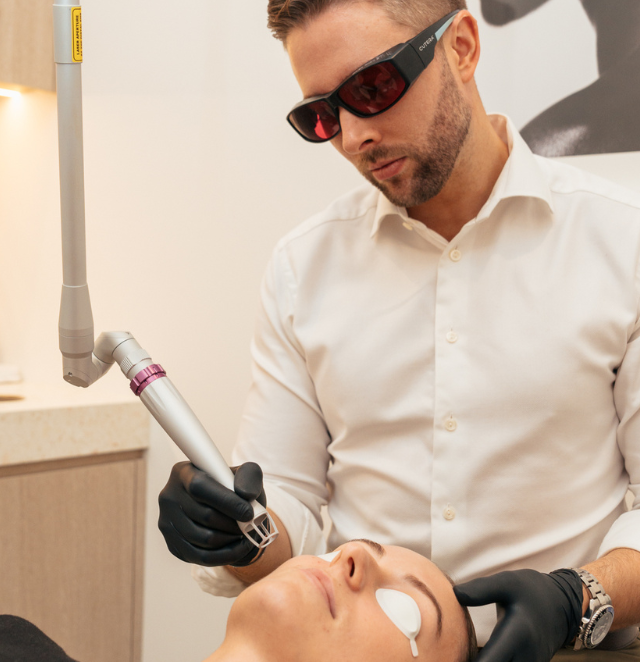
3. Combining laser energy and radiofrequency together
Laser resurfacing works on the skin’s surface and just below it. Radiofrequency works deeper, heating the lower layers to tighten and lift.
Until recently, you had to choose one or schedule separate treatments for each.
In 2025, devices are starting to deliver both in the same session. with settings adjusted to work together.
The combination is particularly effective for people with both surface issues, like fine lines or pigment, and structural issues, like skin laxity.
On the body, these systems are now being used for post-pregnancy stomach tightening, sagging knees, and upper arms.
Downtime is shorter than doing each separately because the energy doses are planned to work together.The number of sessions required depends on the concern being addressed and individual response to treatment.
That makes it a good fit for people trying to maintain results between bigger treatments.
4. More comfortable ways to get laser
Earlier laser devices often required significant numbing preparations due to discomfort levels.
Current devices incorporate comfort measures.
Newer devices have chilled tips that cool the skin with every pulse. They also use energy ramps that start lower and build gradually instead of shocking skin on the first pass.
Some systems also track your skin temperature in real time, adjusting output instantly if you’re reaching a heat threshold. This tech reduces both discomfort during treatment and irritation afterwards.
Many no longer need strong anaesthesia.
Patients should discuss pain management options with their practitioner during consultation.
5. Getting faster full-face results with larger laser spot sizes
Older lasers often used small spot sizes, which is great for precision but slow for large areas. Finishing a full-face session could stretch to 45 minutes or more.
In 2025, newer models can treat with spot sizes up to 20mm without losing accuracy or evenness.
This cuts treatment times significantly. A standard full-face resurfacing might now take 20 minutes.
For body areas such as décolletage or stretch marks on thighs, the session may be half as long as before.
Larger spots also mean fewer overlaps and less chance of missing patches, which can sometimes happen when multiple small passes are needed.
However, treatment time alone should not be the primary factor in choosing a procedure or practitioner. The appropriateness of the treatment for your individual concerns, the practitioner’s experience, and comprehensive understanding of risks and expected outcomes are more important considerations.

Technology and clinical expertise
Laser skin procedures in 2025 reflect developments in technology, including refined delivery systems, enhanced comfort measures, and applicability across different skin types.
However, technology requires experienced practitioners to deliver appropriate outcomes whilst managing risks.
You don’t need to wait for every new innovation to hit your local clinic. A qualified medical practitioner can assess your skin, explain which procedures may be suitable for your individual needs, and discuss the options currently available, along with their associated risks and realistic expectations.
Whether your concerns relate to skin texture, pigmentation, or skin laxity, the combination of current laser technology and experienced clinical assessment is important for appropriate treatment planning.

 Book a time